Home Blog Page 56

LSU Researchers Create Low-Cost Method to Recycle Plastic

0

LSU Researchers Create Low-Cost Method to Recycle Plastic

LSU researchers have created a new, low-cost way to break down plastic, a potential Kerry Dooley breakthrough that could save billions of dollars and eliminate billions of tons of plastic pollution.

“Getting plastics to the recycling plant is only half the battle. The other half is reusing that plastic waste to create new products,” said James Dorman, program manger with the U.S. Department of Energy and former LSU Chemical Engineering professor. “Some estimates show as much as 95 percent of plastics in the U.S. ends up in landfills and incinerators. Our process breaks down commercial plastics, including polystyrene and high- and low-density polyethylene, so recycled material can be seamlessly integrated into new products.”

Dorman and LSU Chemical Engineering Professor Kerry Dooley use electromagnetic induction heating along with special magnetic materials and catalysts to break down different types of plastic.

Electromagnetic waves melt the plastics from the inside out, which requires far less energy. Dorman and Dooley’s process also produces only small amounts of unwanted byproducts such as methane, a powerful greenhouse gas, unlike conventional recycling. The conventional method of melting plastic waste, pyrolysis, requires high temperatures and produces gases like carbon dioxide and hydrogen.

Dorman and Dooley’s method works at lower temperatures and offers more precise control of the breakdown process. Their method can be tailored to handle food residues and other contaminants that help limit plastics recycling. For example, recyclers commonly send plastic containers that still contain food – yogurt for example – to the landfill because the residue taints the recycled material.

Most plastic starts with fossil fuels. Refiners heat oil and natural gas to “crack” the large molecules into smaller molecules, among them ethylene and propylene. Those chemicals are the building blocks used to make a variety of plastics. By linking the monomers, plastics manufacturers create a long chain molecule called a polymer, or a plastic.

“Our extraction process retains key, core monomers, so they can be reinserted into the polymerization process,” Dorman said. “For example, we can pull the ethylene from the polyethylene during recycling and use it to make new polyethylene.”

Ethylene and propylene are extremely valuable. The global market for ethylene alone is estimated at $150 billion.

“By recycling these chemicals, we can help reduce the need for new fossil fuels and lower greenhouse gas emissions,” Dooley said. “Basically, our extraction process helps clean up the environment and creates a way to make money from what was once trash.”

“This breakthrough in plastic recycling is a crucial step in our Scholarship First Agenda mission to build a research platform for energy resilience,” said LSU Vice President of Research and Economic Development Robert Twilley. “By innovating processes that increase the recycling of carbon-based materials and reduce carbon emissions, LSU is addressing the challenge of plastic waste and helping to create a sustainable energy future.”

Dorman and Dooley have worked with the LSU Office of Innovation & Technology Commercialization (ITC) to pursue patent protection for their invention.

“We’re excited about helping Drs. Dorman and Dooley explore the commercial possibilities for this cutting-edge technology,” said Daniel Felch, LSU ITC senior commercialization officer.

https://www.lsu.edu

#lsu#modernplasticsindia  #modernplasticsasia #plasticsislife #plasticstalk  #modernplastics#modernplasticsworld #pasticsnews  #plasticsisgood  #plasticsplane#plasticsrecycling#plasticmagazine #plasticIndustry  #modernplasticsmiddleeast#indianmagazine#innovations #modernplasticsamerica#modernplasticsbangladesh #modernplasticsasia #modernplasticsitaly

Absolute Haitian To Sell, Service Niigata Machinery In US And Canada

0

Absolute Haitian To Sell, Service Niigata Machinery In US And Canada

Customers will gain access to a broader range of horizontal and vertical presses and enhanced customer support, said the company.

Niigata Machinery Co. Ltd. announced just before the Christmas holiday that it will transition sales and service of its injection molding machines in the United States and Canada to Absolute Haitian Corp., effective March 1, 2025.

Niigata Machinery has been a subsidiary of Haitian International since March 1, 2023.

The strategic move enhances product diversity, strengthens customer support, and aligns with the construction of state-of-the-art facilities in Japan to unify operations and innovation, said Absolute Haitian in the news release.

Bringing Japanese craftsmanship to global market

Founded in 2022, Niigata Machinery took over the injection molding business of Niigata Machine Techno in 2023. With backing by Haitian International, Niigata aims to deliver Japanese craftsmanship to the global market.

Haitian International is listed on the Hong Kong Stock Exchange and operates manufacturing facilities throughout the world. It is the world’s largest supplier of injection molding machinery, with a production capacity of 50,000 machines annually.

Absolute Haitian has been Haitian’s sales and service agent in the United States and Canada since 2006. During that time, it has sold approximately 4,500 Haitian presses into that market.

Absolute Haitian said it will incorporate the Niigata product line alongside its Haitian and Zhafir machines in the United States and Canada. Customers will benefit from a unified supplier, gaining access to a broader range of horizontal and vertical machines and an enhanced customer support infrastructure, the company added.

New state-of-the-art plant

This change coincides with the construction of state-of-the-art Niigata facilities in Momoyama, Japan. Niigata announced announced the project in March 2023.

At the time, PlasticsToday reported that the plant will consolidate all aspects of Niigata’s injection molding business — from research, design, and engineering to fabrication, manufacturing, and warehousing — at a single location.

Commenting on the multi-million-dollar investment at the time, Steve Cunningham, general manager of Niigata Machine Techno USA’s Injection Molding Division, said the company was in the midst of a major growth surge for its MDS8000 all-electric injection molding machines. The existing facility reportedly could not support demand for the press. “When our new facility opens in 2025, we’ll not only be able to support this growth surge, but we expect to significantly shorten lead times throughout North America so that we can get new machines out to customers on a timely basis,” said Cunningham.

https://www.plasticstoday.com/

#InjectionMolding #ManufacturingInnovation #NiigataMachinery #AbsoluteHaitian #HaitianInternational#AllElectricMachines#IndustrialAutomation#MadeInJapan #CustomerSupport#modernplasticsindia#modernplasticsasia #plasticsislife  #plasticstalk #modernplastics#modernplasticsworld #pasticsnews#plasticsisgood  #plasticsplane#plasticsrecycling#plasticmagazine #plasticIndustry #modernplasticsmiddleeast#indianmagazine#innovations #modernplasticsamerica#modernplasticsbangladesh #modernplasticsasia #modernplasticsitaly

Plastics Firm PJW Upbeat On New Business Prospects

0

Plastics Firm PJW Upbeat On New Business Prospects

Thailand’s growing demand for healthcare products and services is expected to lift revenue for plastic moulding operators, with SET-listed Panjawattana Plastics (PJW) aiming to scale up businesses to serve the healthcare industry.

The company’s two new businesses — industrial laundry services and single-use plastics for medical purposes — are expected to increase the company’s total revenue by 15% in 2025.

PJW wants the new businesses to generate one third of total revenue in the long term and help it achieve a total gross profit margin of 20-30%, Wiwat Hemmondharop, chairman of the PJW board, told the Bangkok Post.

The targets are possible because healthcare-related businesses usually have high profit margins, he said.

Over the past 4-5 years, the company invested in the production of single-use medical products and laundry services, with most customers being government or private hospitals.

These two businesses are expected to generate “exponential growth” in total revenue for PJW in 2025, said Mr. Wiwat.

In 2024, revenue was expected to grow by 7%, up from 3.4 billion baht in 2023, he said.

The revenue proportion from the two businesses is expected to stand at 25% of total earnings in 2025 and rise to one third and 50% of the total in 2026 and 2029, respectively.

The increase is attributed to the sales of medical consumables, including bed-head humidifiers, rubber tubes for hermodialysis patients, and peritoneal dialysis bags.

The company aims to produce these three products to replace imported items. It also plans to export them to Asean countries, said Mr. Wiwat.

PJW produces plastic products for the packaging, car and healthcare industries.

While sales of plastic products for the packaging and healthcare sectors grew by 8% and 15%, respectively, between January and September, sales of plastic components for cars decreased by 35% due to fewer vehicle purchases in Thailand.

The Federation of Thai Industries (FTI) earlier decided to cut Thailand’s manufacturing target for 2024 to 1.5 million vehicles, down from 1.7 million, due to sluggish domestic car sales, following banks’ stricter criteria in the granting of auto loans.

https://www.bangkokpost.com/

#PJWPlastics #ThailandHealthcare #MedicalPlastics #RevenueGrowth #HealthcareInnovation #ASEANMarket #SustainableGrowth#modernplasticsindia #modernplasticsasia #plasticsislife  #plasticstalk #modernplastics#modernplasticsworld #pasticsnews #plasticsisgood  #plasticsplane#plasticsrecycling#plasticmagazine #plasticIndustry #modernplasticsmiddleeast#indianmagazine#innovations #modernplasticsamerica #modernplasticsbangladesh #modernplasticsasia #modernplasticsitaly

Catalysts & Adsorbents: Accelerating The Circular Plastics Economy

0

Catalysts & Adsorbents: Accelerating The Circular Plastics Economy

New ways of plastic recycling are at the heart of our EcoCircle platform. By pioneering innovative methods, EcoCircle is transforming the traditional linear plastics value chain into a dynamic circular economy, all while making a meaningful impact on the UN Sustainable Development Goals (SDGs).

Recycling plastic waste significantly supports quite several SDGs. First, SDG 12: ensuring sustainable consumption and production patterns. While avoiding plastics is ideal but often impractical, and mechanical recycling has its technical limitations, chemical recycling emerges as a crucial solution for achieving a more sustainable plastics economy.

Reducing plastic waste directly contributes to SDGs 14 and 15, which focus on protecting, conserving, and sustainably using life on land and below water. This reduction mitigates the threat posed by (micro)plastics, leading to positive impacts on our health and well-being, thereby advancing SDG 3.

Lastly, active, and environmentally conscious recycling of plastics reduces the need for fossil fuels in the production of new plastics. This leads to lower CO2 emissions and supports urgent actions against climate change, aligning with SDG 13.

By developing specific products and solutions, such as our adsorbents and catalysts for advanced recycling processes– we put our EcoCircle commitment into action, practically supporting the achievement of the SDGs.

Driving sustainable plastic recycling through innovation

When we hear ‘plastic’ and ‘waste’, we often picture sprawling landfills or plastic floating in the oceans. In fact, plastic pollution has become one of the most pressing environmental issues today.

Since the 1950s, global demand for plastic products has been rising and is expected to keep growing until 2050. This surge challenges our ability to manage plastic waste and shift from a throwaway culture to a circular approach. This is exactly where our company wide EcoCircle platform steps in. EcoCircle looks at the entire plastics value chain to find new and sustainable ways to close the loop.

We focus on developing innovative technologies and specialty chemicals, as well as fostering cross-company collaboration. One of the many areas we are currently working on is chemical recycling of plastic waste, which allows us to continue recycling where mechanical recycling ends.

The challenge: increasing the recycling rate

To identify the best ways to fill the gaps in mechanical recycling, we need to understand its limitations. Mechanical recycling works best for single-source thermoplastics like PE, PP and PET. But “hard-to-recycle” raw materials – mixed waste, highly contaminated plastics, or thermosetting materials – usually end up in energy recovery or other end-of-life applications. In other words: We need alternatives to handle these waste fractions and close the recycling loop.

So, what’s chemical recycling all about? Thermo-chemical processes break down waste materials into smaller building blocks. Pyrolysis, for example, operates without oxygen, converting plastic waste into chemicals or valuable feedstock that can replace fossil fuels in the production of new plastic. Despite its benefits, pyrolysis still lacks legislative acceptance, and challenges like energy intensity and impurity thresholds need improvement. Catalytic pyrolysis, for example, can reduce impurities, enhance process conditions, and increase liquid yields.

Improving the process: our adsorbents and catalysts

Pyrolysis oil qualities produced through catalytic pyrolysis show promising qualities, yet there’s room for improvement with effective purification. Adsorbents play a crucial role, especially when they can be easily regenerated, reducing impurities in pyrolysis oils, and enhancing its value.

Going one step further, a strategic combination of complementary catalysts and adsorbents not only lowers costs in addressing contaminants but also upgrades pyrolysis oils to meet steam-cracker specifications. With our innovative HDMax catalysts and Clarit adsorbents, we introduce our Adaptable PyOil upgrading technology, offering flexible and economically viable solutions to advance toward a circular plastic economy.

https://www.clariant.com/

#clariant#modernplasticsindia #modernplasticsasia #plasticsislife #plasticstalk  #modernplastics #modernplasticsworld #pasticsnews #plasticsisgood #plasticsplanet #plasticsrecycling#plasticmagazine #plasticIndustry#modernplasticsmiddleeast #indianmagazine#innovations #modernplasticsamerica #modernplasticsbangladesh #modernplasticsasia #modernplasticsitaly

This Water-Resistant Paper Could Revolutionize Packaging And Replace Plastic

0

This Water-Resistant Paper Could Revolutionize Packaging And Replace Plastic

A groundbreaking study showcases the creation of sustainable hydrophobic paper, enhanced by cellulose nanofibres and peptides, presenting a biodegradable alternative to petroleum-based materials, with potential uses in packaging and biomedical devices.

Researchers aimed to develop hydrophobic paper by leveraging the strength and water resistance of cellulose nanofibers, creating a sustainable, high-performance material suitable for packaging and biomedical applications. This innovative approach involved integrating short protein chains, known as peptide sequences, without chemically altering the cellulose nanofibers. The result is a potential alternative to petroleum-based materials, with significant environmental benefits.

The study, titled “Nanocellulose-short peptide self-assembly for improved mechanical strength and barrier performance,” was recently featured on the cover of the Journal of Materials Chemistry B. The research was conducted by the “Giulio Natta” Department of Chemistry, Materials, and Chemical Engineering at Politecnico di Milano, in collaboration with Aalto University, the VTT-Technical Research Centre of Finland, and the SCITEC Institute of the CNR.

Enhancing Cellulose with Peptides

Cellulose nanofibers (CNFs) are natural fibers derived from cellulose — a renewable and biodegradable source — and are well known for their strength and versatility. In the study, the researchers from the SupraBioNanoLab of the “Giulio Natta” Department of the Politecnico di Milano showed how it is possible to greatly improve the properties of cellulose nanofibers without chemically modifying them, instead adding small proteins known as peptides.

“Our supramolecular approach involved adding small sequences of peptides, which bind onto the nanofibers and so improve their mechanical performance and water-resistance. Elisa Marelli, co-author of the study, explained the methodology: “The results of the study showed that even minimal quantities of peptides (less than 0.1%) can significantly increase the mechanical properties of the hybrid materials produced, giving them greater resistance to stress.”

Breakthroughs in Biocompatible Materials

Finally, the researchers assessed the impact of adding fluorine atoms in the peptide sequences. This made it possible to create a structured hydrophobic film on the material, providing even greater water resistance while still preserving its biocompatible and sustainable characteristics.

As Pierangelo Metrangolo, co-author of the study, pointed out: “This advance opens up new opportunities for creating biomaterials that can compete with petroleum-derived materials in terms of performance, achieving the same quality and efficiency while reducing environmental impact. These hybrid materials are very suitable for sustainable packaging, where resistance to moisture is vital, and also for use in biomedical devices, thanks to their biocompatibility.”

https://scitechdaily.com/

#scitechdaily#SustainablePackaging #HydrophobicPaper #EcoFriendlyMaterials #BiodegradableInnovation#BiomedicalResearch#modernplasticsindia #modernplasticsasia #plasticsislife #plasticstalk  #modernplastics #pasticsnews #plasticsisgood #plasticsplane#plasticsrecycling#plasticmagazine  #plasticIndustry#modernplasticsmiddleeast#indianmagazine#innovations #modernplasticsamerica #modernplasticsbangladesh #modernplasticsasia#modernplasticsitaly

Stretchable, Flexible, Recyclable – This Plastic Is Fantastic

0

Stretchable, Flexible, Recyclable – This Plastic Is Fantastic

Princeton engineers have developed an easily scalable 3D printing technique to manufacture soft plastics with programmed stretchiness and flexibility that are also recyclable and inexpensive – qualities not typically combined in commercially manufactured materials.

In an article in the journal Advanced Functional Materials, a team led by Emily Davidson reported that they used a class of widely available polymers called thermoplastic elastomers to create soft 3D printed structures with tunable stiffness. Engineers can design the print path used by the 3D printer to program the plastic’s physical properties so that a device can stretch and flex repeatedly in one direction while remaining rigid in another. Davidson, an assistant professor of chemical and biological engineering, said this approach to engineering soft architected materials could have many uses, such as soft robots, medical devices and prosthetics, strong lightweight helmets, and custom high-performance shoe soles.

Sameer A. Khan/Fotobuddy | princeton.edu By controlling the material’s internal structure, engineers can create objects with a range of properties.

The key to the material’s performance is its internal structure at the tiniest level. The research team used a type of block copolymer which forms stiff cylindrical structures that are 5-7 nanometers thick (for comparison, human hair measures about 90,000 nanometers) inside a stretchy polymer matrix. The researchers used 3D printing to orient these nanoscale cylinders, which leads to a 3D printed material that is hard in one direction but soft and stretchy in nearly all others. Designers can orient these cylinders in different directions throughout a single object, leading to soft architectures which exhibit stiffness and stretchiness in different regions of an object.

“The elastomer we are using forms nanostructures that we are able to control,” Davidson said. This allows designers a great degree of control over finished products. “We can create materials that have tailored properties in different directions.”

The first step in developing this process was choosing the right polymer. The researchers chose a thermoplastic elastomer, which is a block copolymer that can be heated and processed as a polymer melt, but which solidifies into an elastic material when it cools. At the molecular level, polymers are long chains of linked molecules. Traditional homopolymers are long chains of one repeating molecule, whereas block copolymers are made of different homopolymers connected to each other. These different regions of a block copolymer chain are like oil and water- they separate instead of mixing. The researchers used this property to produce material with stiff cylinders within a stretchy matrix.

The researchers used their knowledge of how these block copolymer nanostructures form and how they respond to flow to develop a 3D printing technique that effectively induces alignment of these stiff nanostructures. The researchers analyzed the way that printing rate and controlled under-extrusion could be used to control the physical properties of the printed material.

Alice Fergerson, a graduate student at Princeton and the article’s lead author, spoke about the technique and the key role played by thermal annealing – the controlled heating and cooling of a material.

“I think one of the coolest parts of this technique is the many roles that thermal annealing plays – it both drastically improves the properties after printing, and it allows the things we print to be reusable many times and even self-heal if the item gets damaged or broken.”

Davidson said that one of the goals of the project was to create soft materials with locally tunable mechanical properties in a way that is both affordable and scalable for industry. It is possible to create similar structures with locally controlled properties using materials such as liquid crystal elastomers. But Davidson said those materials are both expensive (upwards of 2.50 per gram) and require multi-stage processing involving carefully controlled extrusion followed by exposure to ultraviolet light. The thermoplastic elastomers used in Davidson’s lab cost about a cent per gram and can be printed with a commercial 3D printer.

The researchers have shown their technique’s ability to incorporate functional additives into the thermoplastic elastomer without reducing the ability to control material properties. In one example, they added an organic molecule developed by Professor Lynn Loo’s group that makes the plastic glow red after exposure to ultraviolet light. They also demonstrated the printer’s ability to produce complex and multi-layered structures including a tiny plastic vase and printed text that used sharp turns to spell out PRINCETON.

Annealing plays a key role in their process by increasing the perfection of the order of internal nanostructures. Davidson said annealing also enables self-healing properties of the material. As part of the work, the researchers can cut a flexible sample of the printed plastic and reattached it by annealing the material. The repaired material demonstrated the same characteristics as the original sample. The researchers said they observed “no significant differences” between the original and the repaired material.

As a next step, the research team expects to being exploring new 3D printable architectures that will be compatible with applications such as wearable electronics and biomedical devices.

The article, Reprocessable and Mechanically Tailored Soft Architectures Through 3D Printing of Elastomeric Block Copolymers, was published Sept. 24 in the journal Advanced Functional Materials. Besides Davidson and Fergerson, authors include Benjamin H. Gorse ’24, Shawn M. Maguire, postdoctoral researcher, and Emily C. Ostermann, a graduate student in chemical and biological engineering. Support for the project was provided in part by the National Science Foundation through Princeton PCCM SEED funds from the Princeton Center for Complex Materials, and Princeton Project X Innovation Funds.

https://www.todaysmedicaldevelopments.com

#3DPrinting #todaysmedicaldevelopments #RecyclablePlastics #ThermoplasticElastomers #SoftRobotics#SustainableMaterials#BiomedicalInnovation#AdvancedMaterials #PrincetonEngineering#modernplasticsindia#modernplasticsasia #plasticsislife  #plasticstalk  #modernplastics#pasticsnews #plasticsisgood #plasticsplane #plasticsrecycling#plasticmagazine  #plasticIndustry#modernplasticsmiddleeast #indianmagazine#innovations #modernplasticsamerica #modernplasticsbangladesh #modernplasticsasia#modernplasticsitaly

Afroplast Exhibition to Showcase Plastics Industry Technologies in Cairo

0

Afroplast Exhibition to Showcase Plastics Industry Technologies in Cairo

The “Afroplast” exhibition, an international trade fair for the plastics, rubber, and non-woven industries, will take place from 16 to 19 January 2025, at the Cairo International Conference and Exhibition Center in Nasr City. The event is under the patronage of the Ministry of Industry, the Ministry of Investment and Foreign Trade, and the Chemical and Fertilizers Export Council, with backing from the Chemical Industries Chamber of the Federation of Egyptian Industries.

The exhibition is expected to host over 300 exhibitors from 15 Arab and international countries. It will showcase a range of raw materials, intermediate goods, finished products, machinery, technologies and solutions for the plastics, rubber, and elastomer sectors.

A dedicated pavilion featuring multi-use plastic products will host approximately 30 exhibitors, with the aim of displaying the latest innovations and securing export contracts with international buyers.

The event will also include conferences and panel discussions led by industry experts, exporters, and government officials, focusing on topics such as local industry development, market expansion in Africa, the Arab world, and Europe, and adherence to international standards.

Organisers anticipate that the four-day event will draw approximately 15,000 Egyptian visitors and more than 50 international buyers. The current edition of “Afroplast” aims to achieve a 100% increase in export deals compared to the previous event, supporting the government’s target of $100bn in exports by 2030.

The exhibition is a collaboration between Business Plus UAE Holding, an organizer of economic events and international exhibitions, and Vision Fairs, which specialises in organising exhibitions and business forums. The two companies have together organised over 200 sessions for around 28 international exhibitions, resulting in millions of dollars in commercial transactions.

Khaled Abul Makarim, head of the Chemical and Fertilizers Export Council, stated that the Egyptian industry is ready for considerable growth, supported by company efforts to find new export markets. He highlighted the chemical industries sector as promising due to its strong production base and skilled workforce. According to Makarim, this sector is vital for industrial and agricultural production, as its products are key inputs for various sectors and offer significant investment opportunities. He also said that the council aims to increase Egypt’s exports of plastics, rubber, and elastomer products to 3.8bn by the end of 2025. This goal will be supported by increased participation in trade events and an expansion of trade missions.

Mohamed Magid, Executive Director of the Chemical and Fertilizers Export Council, stated that the “Afroplast” exhibition is an effective platform for companies to reach markets in 12 countries in the Middle East and Africa. Magid also said that the exhibition will promote sustainable solutions for recycling and reducing plastic waste.

Ahmed Mustafa, Director of the “Afroplast” exhibition, stated that the exhibition aims to be a key regional hub for the plastics, rubber, and non-woven industries and a place where businesses can make contracting decisions. He added that the exhibition’s promotional campaign is designed to attract visitors from Egypt and neighbouring countries.

https://www.dailynewsegypt.com

#Afroplast2025 #PlasticsIndustry #RubberTechnologies #NonWovenInnovations #CairoTradeFair#SustainablePlastics#EgyptExports#TradeOpportunities#PlasticRecycling #modernplasticsindia#modernplasticsasia#plasticsislife#plasticstalk #modernplastics #plasticsisgood #plasticsplane#plasticsrecycling#plasticmagazine #plasticIndustry#modernplasticsmiddleeast #indianmagazine#innovations #modernplasticsamerica #modernplasticsbangladesh #modernplasticsasia #modernplasticsitaly

Easily Recyclable and Compostable – A New Plastic With Excellent Mechanical Stability

0

Easily Recyclable and Compostable – A New Plastic With Excellent Mechanical Stability

A new polyester balances durability and biodegradability, decomposing rapidly in composting conditions.

How can plastics be designed so that they maintain their useful properties while also being more easily recyclable? Chemist Stefan Mecking and his research group at the University of Konstanz are focused on studying eco-friendly solutions for plastics. In their recent paper in the international edition of Angewandte Chemie, the team introduces a new polyester that exhibits material properties that are suitable for industrial use and environmentally responsible.

Normally Hardly Compatible

Plastics are made of long chains of one or several chemical basic modules, so-called monomers. Plastics distinguished by high crystallinity and water repellency, therefore mechanically highly resilient and stable, are widely used. A well-known example is high-density polyethylene (HDPE), whose basic modules consist of non-polar hydrocarbon molecules. What may on the one side be advantageous properties for applications can also have adverse effects: It is very energy intensive and inefficient to recycle such plastics and recover the basic modules. Also, if such plastics leak into the environment, the degradation process is extremely long.

To overcome this supposed incompatibility between the stability and biodegradability of plastics, Mecking and his team insert chemical “breaking points” in their materials. They already showed that this greatly improves the recyclability of polyethylene-like plastics. However, good biodegradability is not automatically guaranteed. “Plastics often gain high resilience because they are ordered in densely packed crystalline structures,” Mecking explains: “Crystallinity in combination with water repellency usually strongly decelerates the biodegradation process, as it impairs the microorganisms‘ access to the breaking points.” However, this does not apply to the researchers’ new plastic.

Crystalline and Yet Compostable

The new plastic, polyester-2,18, consists of two basic modules: a short diol unit with two carbon atoms and a dicarboxylic acid with 18 carbon atoms. Both modules can be easily obtained from sustainable sources. For example, the starting material for the dicarboxylic acid, which is the plastic’s main component, comes from a renewable source. The polyester’s properties resemble those of HDPE: due to its crystalline structure, for example, it exhibits both mechanical stability and temperature resistance. At the same time, the first experiments for recyclability showed that under comparatively mild conditions, this material’s basic modules can be recovered.

The new plastic also has another, quite unexpected property: in spite of its high crystallinity it is biodegradable, as lab experiments with natural enzymes and tests at an industrial composting plant showed. Within a few days, in a lab experiment, the polyester was degraded by enzymes. The composting plant’s microorganisms required about two months, so this plastic even meets ISO-composting standards. “We too were amazed by this rapid degradation,” says Mecking, who adds: “Of course, we cannot transfer the results of the composting plant one-to-one into any conceivable environmental condition. But they do confirm that this material is indeed biodegradable and indicate that it is much less persistent than plastics like HDPE, if it should unintentionally be released into the environment.

”Both the recyclability of this polyester and its biodegradability under variable environmental conditions are now to be studied further. Mecking sees possible applications for this new material, e.g. in 3D printing or in the production of packing foils. In addition, there are further areas of interest, in which it is desirable to combine crystallinity with recyclability and the degradation of abraded particles or similar loss of material.

https://scitechdaily.com/

#scitechdaily #SustainablePlastics #BiodegradableMaterials #PlasticInnovation #EcoFriendlySolutions#CompostablePlastics#modernplasticsindia #modernplasticsasia #plasticstalk#modernplastics#plasticsisgood #plasticsplane#plasticsrecycling #plasticmagazine  #plasticIndustry#modernplasticsmiddleeast #indianmagazine#innovations #modernplasticsamerica #modernplasticsbangladesh #modernplasticsasia#modernplasticsitaly

Dutch Recycler Stiphout Plastics Files For Bankruptcy

0

Dutch Recycler Stiphout Plastics Files For Bankruptcy

LyondellBasell had a 50% stake in the company Stiphout Plastics, a plastics recycler based in the Netherlands, filed for bankruptcy in mid-December 2024.

The Montfort based mechanical recycler started operations in 2013 and, as of 2023, had a recycling capacity of 18,000 tonnes of plastic waste per year. The facility consisted of three recycling lines specialised in HDPE and PP household waste processing. It employed around 30 workers.

Stiphout Plastics is one of six Dutch plastics recyclers to close doors in 2024. Low recyclate prices, pushed lower by cheap imports, drove the company to breaking point, the company’s founder Eline Stiphout told Dutch press outlets.

In July 2023, LyondellBasell (LYB) had acquired a 50% stake in Stiphout Industries, the parent company of Stiphout Plastics.

Asked to comment on the bankruptcy, LYB said it was ‘disappointed by the current news’.

“LYB has learnt that Stiphout Plastics B.V. has filed for bankruptcy. In July 2023, LYB announced the acquisition of a 50% stake in Stiphout Industries B.V., the parent company of Stiphout Plastics B.V. This investment was aligned with our strategy to invest in recycling and plastic waste processing companies, and we are disappointed by the current news. Ending plastic waste and building a circular economy is one of the key pillars of LYB’s sustainability approach,” LYB told Sustainable Plastics.

Stiphout Plastics joins Blue Cycle, Vinylrecycling, Ioniqa, and Umincorp, amongst others, in filing for bankruptcy in the Netherlands.

As the plastics recycling industry moves into the fourth year of a low price environment, industry bodies continue to warn that crumbling EU competitiveness jeopardises the circular plastics transition.

https://www.sustainableplastics.com

#sustainableplastics#circulareconomy #plasticsrecycling #sustainability #dutchrecycling #wastemanagement#modernplasticsindia #modernplasticsasia #plasticsislife #plasticstalk  #modernplastics #pasticsnews #plasticsisgood #plasticsplane#plasticsrecycling#plasticmagazine  #plasticIndustry#modernplasticsmiddleeast#indianmagazine#innovations #modernplasticsamerica #modernplasticsbangladesh #modernplasticsasia#modernplasticsitaly

Andrea Grandi is the New General Manager of the SACMI Group

0

Andrea Grandi is the New General Manager of the SACMI Group

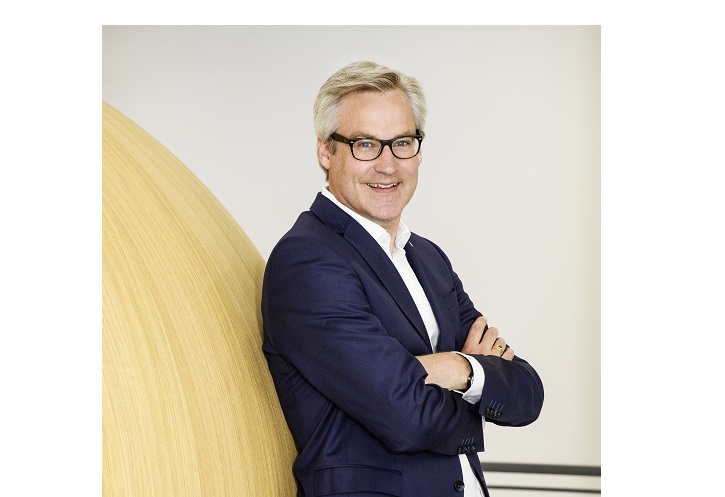
He succeeds Mauro Fenzi, whose tenure ended on 31st December 2024. A 49-year-old electronics engineer, Mr. Grandi has been with SACMI almost 25 years. During that time he has displayed outstanding technical and managerial skills, most notably in mechatronics and industrial automation

Imola, 2nd January 2025 – On 1st January, Andrea Grandi took on the role of SACMI Group General Manager. He succeeds Mauro Fenzi, whose mandate ended on 31st December 2024.

Andrea Grandi – a 49-year-old electronics engineer – joined SACMI in 2001. In a career spanning almost 25 years, he has held increasingly prominent roles within the Group and distinguished himself for his technical and managerial expertise in the fields of mechatronics and industrial automation.

His first 18 years were spent in the Special Pressing Business Unit and as the Metals PU Manager. In 2020 he became General Manager of the Advanced Technologies BU. Over the last three years he has held the key roles of Operations and Plant Director and, subsequently, Corporate Product Supply Manager, demonstrating a talent for operational management and innovation development.

In addition to his positions at SACMI, Andrea Grandi is a member of the Forming Committee of UCIMU (Association of Italian Machine Tool, Robot and Automation Manufacturers). He was also formerly on the Technical Committee of AIM, the Italian Metallurgy Association.

“His appointment”, underlines the President of SACMI, Paolo Mongardi, “aims to make the most of internal skills and strengthen our technological leadership across the various businesses, all within a framework of strategic and operational continuity. I take this opportunity to wish Mr. Grandi every success in this exciting new challenge. His experience and skillset offer a secure base from which to launch the SACMI Group towards new goals, ever-greater innovation and sustainable growth”.

The SACMI Board of Directors wish to express their heartfelt thanks to Mauro Fenzi for his dedication and the results achieved. “During his tenure at the helm of the Group, Mauro Fenzi displayed outstanding leadership and strategic vision: his work has seen the SACMI Group achieve success in terms of growth, technological and organizational innovation, and reputation on international markets”.

www.sacmi.com

#sacmi #andreagrandi  #leadershipchange #industrialautomation #technologicalInnovation #mechatronics #sustainability#corporateleadership #modernplasticsindia #modernplasticsasia #plasticsislife #plasticstalk  #modernplastics #pasticsnews #plasticsisgood #plasticsplane #plasticsrecycling#plasticmagazine #plasticIndustry #modernplasticsmiddleeast#indianmagazine#innovations #modernplasticsamerica #modernplasticsbangladesh #modernplasticsasia#modernplasticsitaly