Home Blog Page 17

An Executive Interview on the road to K 2025 with Dr. Torsten Schmitz (Managing Director, Extrusion Business Unit) and Mr. Hermann Veismann (Managing Director, Printing and Finishing Business Unit) at Windmöller & Hölscher

“Good solutions require bringing together every player within the value chain”

An Executive Interview on the road to K 2025 with Dr. Torsten Schmitz (Managing Director, Extrusion Business Unit) and Mr. Hermann Veismann (Managing Director, Printing and Finishing Business Unit) at Windmöller & Hölscher

Dr. Torsten Schmitz; Windmöller & Hölscher SE & Co. KG

https://www.vdma.eu/

#vdma #Modernplasticsindia #Pasticsnews #ModernPlasticsIndiaMagazine
#PrintPublication #Modernplasticsbangladesh
An Executive Interview on the road to K 2025 with Dr Stefan Engleder, CEO ENGEL Group, It is still important for humans to operate machines

An Executive Interview on the road to K 2025 with Dr Stefan Engleder, CEO ENGEL Group, It is still important for humans to operate machines

Mr. Engleder, how important is innovation in difficult economic times?

Dr Stefan Engleder: Innovation is extremely important – especially in the current climate – for our customers as well as for ENGEL. Our customers need innovative solutions to launch new plastic products in a competitive and sustainable manner, and at ENGEL, we are also investing specifically in innovation to support our customers in becoming and remaining leaders in their field. That is why, despite this crisis, which has been ongoing for the past three years, we are investing in research and development in the areas of products, processes and digitalisation, as not innovating would mean standing still, and that ultimately means taking a step backwards.

How do you achieve this?

Engleder: The advantage of injection moulding is its enormous versatility – from micro-applications to large-volume applications. We develop new or alternative ways of manufacturing plastic products efficiently, cost-effectively, and reliably, in close cooperation with our customers – in some cases even in moulds that have never existed before. At the same time, we are making long-term investments in research and development, in basic research, digitalisation and our assistance systems. Development cycles of four to five years are not uncommon. It often takes six, seven or eight years before marketable innovations emerge and we start earning money with them. This kind of staying power is necessary to create sustainable solutions that are also economically viable.

What role does AI play in your innovation efforts?

Engleder: Using the iQ process observer – the latest addition to our iQ assistance series – we support customers by means of artificial intelligence to improve process stability in injection moulding. The iQ process observer monitors the production process and provides suggestions on how to adjust the machine. The control system analyses a wide range of process parameters and uses this information to forecast how the production process will develop under the current conditions. As soon as critical deviations become apparent, the machine operator receives feedback via a traffic light system. In addition, the system also makes specific propositions for optimising the machine settings. The next step would, of course, be for the machine to adjust itself. However, we believe that it is still important for a human to operate the machine.

Does AI help alleviate your customers’ skills or even labour shortages?

Engleder: Through utilising suggestions made by the assistance system, a new machine operator does not need to be a process engineer, but basically follows clearly structured instructions, similar to a checklist provided by the machine control system. In fact, it can be an unskilled worker, not necessarily a skilled worker. We have identified the shortage of skilled workers as a key issue at ENGEL because this topic is also actively reflected back to us by our customers. We therefore also offer straightforward set-up assistants, such as tool change assistants; that helps the machine control system to guide the operator through the process step by step. This means that the training phase no longer takes several months, but can be completed in one to two days. Thirdly, we also offer remote access options. Experts, whether from the customer or from ENGEL, can connect remotely via our e-connect portal and support the machine operator, for example with maintenance, optimisation or service. This renders savings in terms of skilled workers, and, above all, time. However, it does not help with the general labour shortage – machine operation will still be necessary.

So unmanned machines are still a thing of the future?

Engleder: No, I wouldn’t say so. We are already relatively close, due to our expert system. I would compare it to autonomous driving in cars: they are already on the roads, not necessarily on every continent and in every city, but the technology is actually relatively mature. However, it is not enough to just develop the technology and create the conditions: you also need a wellthought-out overall concept and, above all, customer acceptance. And that raises the question of whether a completely unmanned machine is even necessary – and whether our customers actually want it in this form.

At K 2025, we will be presenting an industrial solution for a self-regulating injection moulding cell for the first time. Supported by artificial intelligence, the machine is capable of autonomous production, and can optimise quality and processes independently. This is a significant milestone on the road to further digitalisation in injection moulding. Technologically, we are therefore very far ahead. At the same time, one thing remains clear to us: responsibility still lies with humans, as even the best assistance ultimately requires a conscious decision by the user.

What trends do you currently see within mechanical engineering?

Engleder: Electrification and energy efficiency are still continuing trends. This is currently a concern for almost everyone, because on the one hand energy consumption is a clear cost factor, and on the other hand, energy is not available without restrictions in many places. We will also be presenting new solutions in this area at K. We have already discussed the second major topic: artificial intelligence; in particular the further development of our assistance and digital systems, plus we are continuing to see a trend towards sustainability. Even though the discussion is currently somewhat less prominent due to postponed deadlines at EU level, the industry is nevertheless consistently preparing for it. After all, regardless of regulatory requirements, we have no choice but continue to promote the circular economy. The motto of K is “The Power of Plastics! Green – Smart – Responsible.” The fact that “green” is explicitly included underlines the importance of this topic.

How do you see the role of K?

Engleder: K 2025 will certainly point the way ahead. It is the leading trade fair for the plastics industry, with a clear European focus due to its location. K may no longer be the largest trade fair in terms of visitor numbers, but it has always been and still is the trade fair for innovation and visionary ideas. I expect it once again to show where plastics processing is heading – technologically, strategically, and in dialogue with industry. We at ENGEL are looking forward to K 2025 with great anticipation and are preparing extensively for the event. It is not just about presenting new products, but also about communicating our visions to a broad specialist audience – and receiving feedback on whether these are shared. We develop a lot in close contact with our customers, but it is just as important to make these developments visible. K is the perfect venue for this; it’s the only event where you can encounter such an interested and knowledgeable audience.

https://www.vdma.eu/

#vdma #Modernplasticsindia #Pasticsnews #ModernPlasticsIndiaMagazine
#PrintPublication #Modernplasticsbangladesh
Drinktec 2025 Marks the Start of a Packaging Revolution

Drinktec 2025 Marks the Start of a Packaging Revolution

At drinktec 2025, Sidel will ignite a new era for packaging, with the introduction of groundbreaking laser technology for blowing, alongside an exciting range of new solutions for packaging in PET, can and glass.

Visitors to this premier event in Munich September 15-19, will discover new ways to tackle the most pressing challenges faced by food, beverage, and personal care producers today. They will experience firsthand how Sidel’s laser technology, among other significant advancements, represents a leap forward in performance and sustainability.

Pietro Cassani, President and CEO of Sidel, shares,

“We invite all visitors to join us for an unforgettable event where you can see and touch our latest technologies, and engage with the experts behind the designs. This is not merely a time of incremental change, but a key shift in the industry, with our laser innovation unlocking new possibilities and more. It is a time to harness our extensive knowledge to overcome the most critical challenges today.”

What to expect

Sidel’s stand will mirror our customer’s journey – from packaging design to production and complete lines to performance services. As visitors navigate a personalised journey, they will witness how partnership and innovation are enabling new possibilities, breaking norms, and setting standards.

A highlight will be the world’s first laser technology for blowing in action – a game changer for line efficiency, sustainability, quality and simplicity.

Sustainability gains that enhance performance

From lightweighting to 100% recycled PET, partial labels, returnable complete lines, and PPWR (Packaging and Packaging Waste Regulation) readiness, Sidel will showcase new solutions to meet sustainability goals, reduce material and consumption costs and enhance brand image.

Sidel will demonstrate how a lighter bottle can actually be a stronger bottle! This is just one of Sidel’s ‘see it to believe it’ examples present at the show.

The future of aseptic filling

As a pioneering leader in aseptic technology, Sidel will present its latest advancements for sensitive products, illustrating how food safety can reach an even higher level through digital intelligence, while enhancing flexibility, productivity and ease.

Complete lines – PET, can & glass

Sidel’s Next Line concept for PET and rPET will be unveiled, a new line designed for the best performance with the least resources, based on extensive real-world data and forward-looking innovations. Sidel’s can and glass lines have also reached new heights, with innovations that bring a new level of sustainability, flexibility, and quality.

Services for performance

By integrating packaging and digital expertise, innovations delivering higher levels of performance spanning the lifecycle of your equipment. The latest services developments and tailored solutions will also be showcased – another example of Next Level Performance at every step of the customer journey.

www.sidel.com

#sidel #Modernplasticsindia #Pasticsnews #ModernPlasticsIndiaMagazine
#PrintPublication #Modernplasticsbangladesh
International Seal of Trust for Super1Pack

International Seal of Trust for Super1Pack

Silvin Additives, a leading manufacturer of PVC and CPVC additives, has earned the NSF Guideline 533 certification for its CPVC Super1Pack. The certification confirms that the formulation complies with stringent safety and health standards for products used in drinking water applications.

Headquartered in Michigan, US, NSF is a globally recognised authority in public health and safety. Its certification involves rigorous testing and inspections to ensure compliance with strict quality, sanitation, and safety standards. NSF Guideline 533 specifically evaluates ingredients used in products that come into contact with drinking water, confirming that they meet stringent health-effects criteria for safety and regulatory compliance.

Silvin’s products are widely used in plumbing, agriculture, SWR (soil, waste and rainwater) drainage, and column and riser systems. The NSF certification strengthens Silvin’s position as a trusted partner to the pipes and fittings manufacturing industry.

Commenting on the certification, Jagat Chokshi, Managing Director, Silvin Additives, said, “At Silvin, we have always prioritized quality and safety. Our additives are a key ingredient of pipes and fittings, which are critical in delivering safe drinking water. Receiving NSF certification is a validation of our commitment to producing additives that meet global standards. This recognition will help us unlock new opportunities and expand our international presence.”

Established in 1984 as a manufacturer of medical-grade PVC compounds, Silvin has evolved into a leading supplier with a comprehensive additives portfolio and a strong presence across domestic and international markets. Today, the company holds a 0.60% share of the global PVC pipes market and 9% in CPVC pipes and fittings. In India, Silvin commands a 5% share in PVC pipes and an impressive 22% in the CPVC pipes and fittings segment. With its ongoing expansion into additives for OPVC pipes, Silvin continues to strengthen its leadership in the additives sector.

https://supersilvin.com/

#supersilvin#Modernplasticsindia #Pasticsnews #ModernPlasticsIndiaMagazine
#PrintPublication #PrintMagazine #modernplasticsbangladesh
Five Must-Know Insights for Professionals Considering Attendance at the Leading Shanghai Plastics and Rubber Showcase

Five Must-Know Insights for Professionals Considering Attendance at the Leading Shanghai Plastics and Rubber Showcase

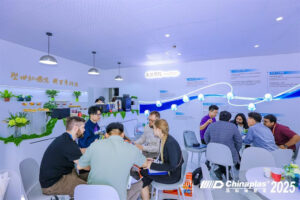
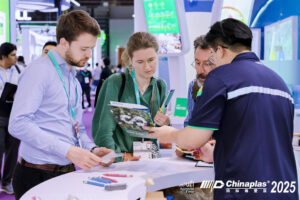
Following an impressive closing in Shenzhen this April, CHINAPLAS 2026 will be held at the National Exhibition and Convention Center (NECC), Hongqiao, Shanghai, PR China from April 21 to 24, 2026. This premier plastics and rubber trade fair is expected to attract 4,600+ prominent exhibitors from around the world, showcasing cutting-edge technologies and innovative solutions in the vast exhibition halls of over 390,000 square meters. All industry professionals are welcome to delve into this annual trade show with infinite business opportunities.

Held alternatively between Shanghai (even years) and Shenzhen (odd years) and focusing on the theme of “Transformation · Collaboration · Sustainability”, CHINAPLAS will bring the latest transformative trends plus pulse of development in plastics and rubber industries, acting as a pioneer with forward-looking vision. With its exceptional value in providing business and networking opportunities for exploration, here are 5 reasons why you shouldn’t miss this world’s leading plastics and rubber trade fair.

Leading Industry Development as the Barometer

In 2026, CHINAPLAS will embark on a new journey toward its 38th edition. As the gateway for release and exchange of advanced technologies covering the entire plastics and rubber industry chain, the trade fair will bring together the industries’ top enterprises in the world, while showcasing a wealth of new and emerging technologies. Thousands of machines will be on display for live demonstrations, offering an impressive showcase of plastics and rubber innovations. Additionally, a variety of concurrent activities are planned to gather industry leaders and experts for discussion on latest technologies, design and innovation, cost efficiency optimization, new applications, industry policies, etc., providing all-round insights and opportunities for networking. This 4-day premier plastics and rubber trade fair serves as an exceptional and indispensable platform for accessing comprehensive solutions, obtaining first-hand market information, connecting with international resources, broadening global perspectives, deepening supply chain collaboration and grasping the pulse of industry development.

Empowering Quality Progression with Innovative Solutions to Intensive Competition

Over the past year, in view of China’s intensive competition and price wars within various industries, plenty regulations have been implemented to curb such trend, including optimization of industrial layout, address of disorderly low-price competition and enhancement of product quality. The shift from competition in price to technologies, and from price to value, underscores that technological innovation is the essential driving force in breaking through this “intensive competition”. The technology-driven CHINAPLAS 2026 aims to build a hub for plastics and rubber innovation, where global suppliers will assemble to showcase thousands of machine exhibits, as well as inventive solutions from over a thousand of raw material suppliers. These pioneering technologies will serve as solid technical foundations for downstream application industries, such as automotive, electronics & electric, packaging, medical & healthcare, building & infrastructure, etc., to address the needs for transformation and upgrading, as well as enhance product competitiveness. Such empowerment will enable the plastics and rubber industries to overcome homogeneous competition and focus on the journey toward high-quality growth.

Unlocking Trillion-Dollar Opportunities by Focusing on Emerging Sectors

Exploring new fields and incremental markets is as crucial as breaking free from intensive competition. CHINAPLAS 2026 will center on multiple emerging sectors with rapid development – low-altitude economy, in particular new-generation aircraft represented by eVTOLs, is poised to become a trillion-dollar industry with immense growth potential. Shanghai, at the forefront of China’s economy, is striving toward the goal of becoming the capital of low-altitude economy with plans to achieve an industry scale of over RMB 50 billion by 2027. Currently, China’s robotics industry has established itself in the leading position among the global leaders. According to Goldman Sachs’ forecasts, the global market size for humanoid robots is expected to reach USD 38 billion by 2035. Over the next decade, this will become another trillion-dollar sector following the new energy vehicle industry. Meanwhile, explosion of the “Guzi” economy (derived from homonym for the English word “goods”, it refers to the economic activities centered around spin-off products of ACGN – animation/ comics/ games/ novels) in China has fostered evolution of the art toy industry. Data from media Research indicates that in 2024 China’s pan-ACGN users has surged to 503 million, and the market scale is expected to expand from RMB 597.7 billion in 2024 to RMB 834.4 billion by 2029. Additionally, rapid advancements in human spaceflight, large aircraft, high-speed rail, smart driving, high-end medical technology, e-commerce, and food delivery packaging have led to higher demands on plastic raw materials and forming processes, while also creating significant business opportunities.

Green Technology and Intelligent Solutions Reshape Future of Plastics and Rubber Industries

Green technology and intelligent solutions have become the main themes of plastics and rubber industries’ development, with green and low-carbon initiatives driving transformation, and intelligent and efficient technologies shaping the future. To align with the trend of circular economy and meet industry demands, CHINAPLAS 2026 has established 3 related theme zones: Recycled Plastics Zone, Bioplastics Zone and Recycling Tech Zone, showcasing advanced green and low-carbon technologies. In the Chemicals & Raw Materials Zone, well-known exhibitors will introduce innovative sustainable solutions. With smart manufacturing being the future trend for plastics and rubber industries, the combination of digital production and artificial intelligence (AI) will further accelerate the industries’ upgrade and transformation, as well as trace the path of plastics at different stages of the circular economy, achieving a comprehensive closed-loop ecosystem. Besides, AI can assist enterprises to achieve dual improvements in production efficiency and precision through process innovation, and maintain a competitive edge in the progressively digitalized development landscape. CHINAPLAS 2026 is committed to promoting the high-end, green, and intelligent development of the plastics and rubber industries, reshaping their future.

Fully Tapping into International Markets, with Global Business Opportunities within Reach

CHINAPLAS has deeply rooted itself in China’s plastics and rubber market, serving as an outlet for development opportunities not only in Asia, but also the world. The trade fair in 2025 attracted 281,206 professionals from over 170 countries and regions worldwide, with 68,542 visitors (24.37%) from overseas and Hong Kong, Macau and Taiwan region of China, marking a new leap in internationalization. Exhibitors successfully pursued the networking and trade opportunities further by forming strategic partnerships and signing deals with local and international buyers, demonstrating the exhibition’s exceptional ability in converting trade opportunities to tangible results. Along with the kick start of CHINAPLAS 2026 promotion to global buyers, a series of projects have been planned – visiting industry chambers of commerce, associations and buyers in different countries and regions, participating in key industry events as well as running targeted promotional campaigns, in order to reach global buyers and discover golden opportunities.

With booth spaces highly sought-after by the industry, CHINAPLAS 2026 will strive to present an annual global event of professional excellence, plentiful innovative achievements, and significant commercial value, helping enterprises seize market opportunities. From exhibitors and products, creative technologies and solutions, fruitful concurrent activities to on-site services, the exhibition will bring spectacular experience and value to all participants for sure. CHINAPLAS held in Shanghai, April 2026 is definitely a trade show you should not miss!

www.ChinaplasOnline.com

#CHINAPLAS2026 #Modernplasticsindia #Pasticsnews #ModernPlasticsIndiaMagazine
#PrintPublication #Modernplasticsbangladesh
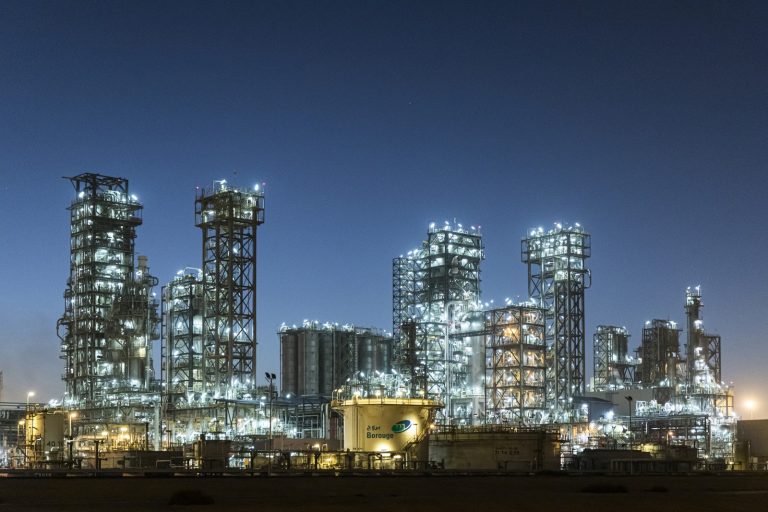
Advancing Sustainability with All-Electric Solutions

Advancing Sustainability with All-Electric Solutions

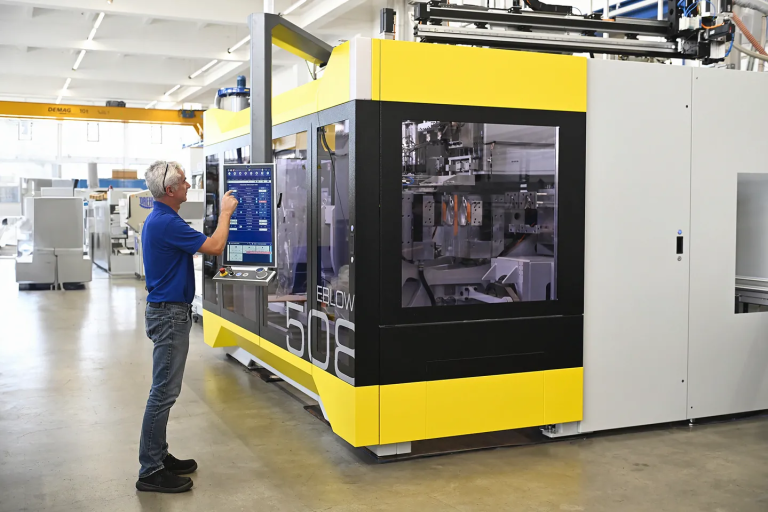
When production demands precision, flexibility, and eco-conscious design, Magic MP’s All-Electric blow molding systems deliver on every front. Built with Italian craftsmanship and optimized for the demands of modern industry, these machines redefine expectations in plastics processing—delivering efficiency, reliability, and performance that make a difference.

Magic MP pioneered All-Electric blow molding more than 25 years ago. Our blow molding machines, the Model ME, offer servo-driven actuation with clamp forces up to 60 tons and stroke lengths up to 1,700 mm. Compared to hydraulic machineries, these machines consume roughly one-third the energy per kilogram of resin, while eliminating hydraulic oil entirely, significantly reducing risk in sterile environments.

Real-world results that customers are looking for:

  • 50%+ lower energy consumption
  • 70% maintenance cost reductions
  • No hydraulics or oil—perfect for clean operation and food-grade production
  • Spare parts reliability—70% made in-house, 30% from top global suppliers like Siemens and FESTO, ensuring fast availability, consistent quality, strict control.

Magic MP offers a broad range of machine types covering nearly any application: All-Electric Extrusion Blow Molding (EBM) machines for HDPE, Injection Stretch Blow Molding (ISBM) for PET applications, Accumulator Head machines for large-volume or technical parts, Parison Transfer systems for heavy-duty packaging and Integrated robotic automation for downstream handling.

No matter the format—tiny 5 ml bottle or 220L – Magic MP has a machine configured to meet specific volume, stroke, and cavity requirements.

Circular Economy Compatible

Magic MP promotes greener manufacturing by ensuring compatibility with recycled resins bioplastics, and biodegradable polymers such as PHA. These materials process reliably on All-Electric machines, supporting brands seeking genuine eco-credentials while maintaining build quality and performance.

Worldwide Presence, Continuous Assistance

With over 1.800 machines running across more than 50 countries, Magic MP serves demanding markets including personal care, medical, food & beverage, agrochemicals, and automotive. Customers benefit from remote teleservice, which enables Magic engineers to diagnose alarm conditions, push software updates, and support uptime—often before problems surface on the production line. Training and support are multilingual and tailored to operators, helping teams move from “operator mode” to full autonomy.

Why Magic MP Machines Matter

Magic MP’s All Electric blow molding machines are more than just equipment—they are strategic investments designed to lower the total cost of ownership through significant energy and maintenance savings, ensuring a rapid return with oil-free operation fosters clean, safe environments with minimal contamination risk. Engineered with adaptability in mind, the machines feature a configurable, modular design that supports evolving production needs. Magic machines also promote sustainability by supporting recycled materials and circular economy practices.

Whether you’re launching a new product, replacing old machines, or scaling intelligently with automation, Magic MP delivers a clean, powerful, and future-ready solution for the next generation of manufacturing.

www.magicmp.it

#magicmp#Modernplasticsindia #Pasticsnews #ModernPlasticsIndiaMagazine
#PrintPublication #PrintMagazine #modernplasticsbangladesh
Efficient and Scalable Lightweight Construction Showcased at K 2025

Efficient and Scalable Lightweight Construction Showcased at K 2025

At K 2025ENGEL will demonstrate the capabilities of its innovative injection moulding technologies for lightweight construction with a simple and cost-effective production solution. In the manufacture of cockpit bicycle handlebars for CANYON Bicycles, aluminium is replaced by plastic and production time is reduced to a fraction. This is made possible by combining local reinforcement with continuous fibre-reinforced tapes and fluidmelt technology for the production of hollow bodies – all within a closed process.

The fully automated production cell is based on a tie-bar-less ENGEL victory 180 injection moulding machine with a clamping force of 1800 kN. It combines the overmoulding of locally inserted continuous fibre tapes with the formation of a hollow structure in a single, continuous process step. While the equivalent aluminium process involves multiple time-consuming steps, this solution achieves a cycle time of just 60 seconds. This leads to a significant increase in production capacity and considerable cost savings. The resulting handlebar demonstrates that, with the right engineering, plastic solutions can replace aluminium – offering shorter cycle times, better functional integration, and greater design freedom. These are decisive advantages for demanding applications in the sports and leisure sectors as well as in the automotive industry.

The components themselves are made from a polyamide 6 with 50% glass fibre reinforcement supplied by DOMO Chemicals to ensure the required stiffness and strength. By integrating four unidirectional carbon fibre tapes (UD tapes), which are placed in the mould prior to injection moulding, the part withstands high mechanical loads despite its low wall thickness and hollow structure. During the process, fluidmelt is used to inject gas and push the plastic core of the component back into the plasticising unit, creating a hollow space within the part. The displaced material is reused in the production of the next component. The complete integration of both processes into a continuous injection moulding cycle ensures short cycle times and high reproducibility. This combination of local UD tapes and the fluidmelt process enables complex hollow-body geometries with high design freedom and functional integration, while at the same time reducing material usage and energy consumption.

The handlebar has already passed all required approvals, complies with all relevant ISO standards as well as CANYON’s internal specifications, and will enter series production in 2026.

ENGEL’s manufacturing concept represents a significant advancement over traditional aluminium handlebars by making local production in Europe economically viable while significantly reducing environmental impact thanks to a highly improved carbon footprint. For CANYON, this overall concept means a technical enhancement of the product combined with improved sustainability and a substantial increase in production efficiency.

Automation of the production cell is handled by an ENGEL easix articulated robot. It is responsible for the precise insertion of threaded inserts and continuous fibre tapes, as well as for removing the finished parts. All movement sequences and process steps are coordinated via the central CC300 control unit of the injection moulding machine, simplifying operation and increasing process reliability.

The ENGEL victory 180 wide-platen machine demonstrated in operation at the trade fair is an injection moulding machine specifically designed for large and complex components or moulds. Thanks to its tie-bar-less design with a generously sized, unobstructed mould area, the victory series enables the use of large and complex moulds on compact machine sizes. This offers a distinct advantage when working with high-volume, demanding moulds and complex automation systems.

Both the technology combination and the production solution can be modularly adapted to other component geometries and industry requirements. This makes the system suitable not only for sports and leisure products, but also for structural vehicle components or technical parts with hollow geometries. ENGEL thus demonstrates how well-conceived combinations of established processes can open up new possibilities for energy-efficient, resource-saving, and economically attractive lightweight construction solutions.

www.engelglobal.com

#engelglobal#Modernplasticsindia #Pasticsnews #ModernPlasticsIndiaMagazine
#PrintPublication #PrintMagazine #modernplasticsbangladesh
New Expertise Enhances Gravure Association’s International Network

New Expertise Enhances Gravure Association’s International Network

The Global Rotogravure Association (GRA) is pleased to welcome DMA INNOTEC GmbH as a new member. As a specialist in electromechanical cylinder engraving systems, DMA INNOTEC strengthens GRA’s network with its deep technical expertise and commitment to innovation.

Based in Germany and Taiwan, DMA INNOTEC offers high-performance engraving machines tailored for gravure and special applications. Their product portfolio includes both standard and customized solutions, supported by in-house software and intuitive user interfaces. With more than three decades of industry experience, DMA INNOTEC has built a strong reputation for quality, flexibility, and customer-focused service. DMA offers three product series with worldwide installations, establishing the company as a key contributor to today‘s electromechanical engraving technology.

The company supports clients across a range of sectors, including packaging, security, decorative printing and maintains close partnerships with equipment manufactures and international engravers. Sustainable innovation, reliable service, and constructive cooperation are keys to its long-term customer relations

“We are delighted to welcome DMA INNOTEC to our association,” said Stefani Dhami, head of GRA. “Their membership expands our portfolio to include Taiwan — another important step in our mission to grow the Global Rotogravure Association into a truly international platform.”

www.rotogravure.org

#rotogravure #Modernplasticsindia #Pasticsnews #ModernPlasticsIndiaMagazine
#PrintPublication #Modernplasticsbangladesh

Doubling Polyimide Capacity for a Resilient Supply Chain

Doubling Polyimide Capacity for a Resilient Supply Chain

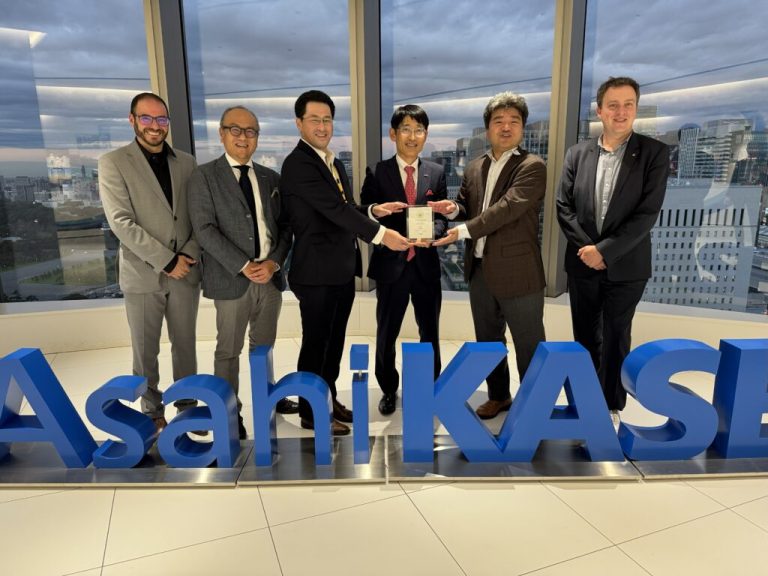
Diversified global manufacturer Asahi Kasei will increase PIMELTM photosensitive polyimide (PSPI) production capacity at its Fuji City facility in Shizuoka Prefecture, Japan. PSPI is a key material for the global electronics industry, mainly used for buffer coatings and passivation layers in semiconductor applications. By doubling its capacity by 2030, Asahi Kasei underlines its commitment to growing its Electronics business and reinforcing its position as a key supplier for the global semiconductor industry.

With the global semiconductor industry entering a new growth cycle and projected to surpass US$1 trillion in revenue by the mid-2030s, as reported by consulting firm Alvarez & Marsal, Asahi Kasei has forecasted that the demand for next-generation semiconductor interlayer insulation will continue to grow rapidly at an average annual growth rate of 8%.

In response to this quickly rising demand, Asahi Kasei completed the construction of a new plant producing PIMELTM photosensitive polyimide in Fuji City, Shizuoka Prefecture, in December 2024. Since then, the company has decided to expand production in Fuji City further, doubling the 2024 capacity by 2030. This expansion is expected to significantly improve the supply resilience of essential materials in the manufacturing of semiconductors. Asahi Kasei will invest approximately ¥16 billion in this expansion.

PIMELTM is used worldwide for various semiconductor applications, such as buffer coatings that improve adhesion between different semiconductor materials and act as protective barriers. These coatings help protect delicate semiconductor devices from mechanical stress and contamination during post-processing steps, such as mounting the chip onto a substrate.

PIMELTM is also used for passivation layers for bumping, which protect the semiconductor surface from damage or oxidation. Additionally, PIMELTM is used in redistribution layers (RDL), optimizing electrical connections and enabling high-density circuit designs by adjusting terminal spacing for package integration. These attributes have made PIMELTM an essential part of the global semiconductor supply chain and an enabling material in the development of next-generation generative AI.

Nobuko Uetake, Senior Executive Officer of Asahi Kasei and key leader in the company’s electronics materials business, commented, “The rapid growth of generative AI and other advanced technologies is driving unprecedented demand for semiconductor materials like PIMELTM PSPI. This investment positions Asahi Kasei to capture that growth by enhancing our supply capability and reinforcing our role as a reliable partner to global semiconductor manufacturers. It supports our broader strategy to build long-term value in high-growth, high-impact sectors.”

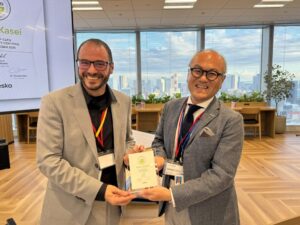
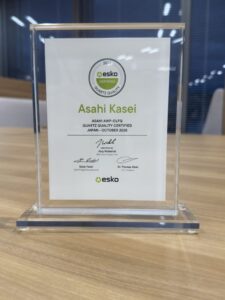
Asahi Kasei positions its electronics business in the “First Priority” category, one of the key drivers for future company growth. For many years, PIMELTM has been highly regarded as a key component for producing semiconductors. In 2024, Asahi Kasei received the TSMC Excellent Performance Award for “Excellent Technology Collaboration and Production Support in Advanced Packaging” at TSMC’s 2024 Supply Chain Management Forum.

In April 2025, Asahi Kasei announced its new medium-term management plan, “Trailblaze Together.” This plan continues the path of structural transformation and pursues carefully selected investments in strategic growth fields. By doing so, the company aims to maximize profitability and company value by 2030 and beyond.

www.asahi-kasei.com

#asahi-kasei#Modernplasticsindia #Pasticsnews #ModernPlasticsIndiaMagazine
#PrintPublication #PrintMagazine#modernplasticsbangladesh

Reducing Plastic Waste Through Investment in Returnable Bottling Lines

0

Reducing Plastic Waste Through Investment in Returnable Bottling Lines

Sidel supported Grupo GEPP, PepsiCo’s exclusive bottler in Mexico, to install expanded returnable PET and glass bottling lines to meet growing consumer demand and sustainability goals.

Grupo GEPP operates 44 production facilities dedicated to the manufacturing and distribution of renowned international brands, including Gatorade, Lipton, Pepsi, and 7Up and owns the brands Epura and Garci-Crespo. With a workforce exceeding 46,000 employees, Grupo GEPP stands as one of the largest private sector employers in Mexico. In 2014 and 2021, PepsiCo awarded GEPP the global ‘Bottler of the Year’ award.

In line with its strong commitment to sustainability, GEPP adopted PepsiCo’s strategy in 2018 to reduce the use of virgin plastics.

Reusability plays a key role in supporting PepsiCo’s broader environmental goals, including reducing first-use plastic per serving by 50%, increasing returnable packages from 10% to 20% by 2030 and achieving net zero emissions by 2040.

Returnable PET and glass lines – delivering greater flexibility and eco-friendly solutions

GEPP chose to partner with Sidel, recognising the company’s proven expertise in implementing returnable bottling solutions and the performance advantages of integrated technologies.

In 2018, Sidel supported with the installation of a partial returnable glass bottle (RGB) line at GEPP’s Puebla facility. Building on this success, a combined returnable PET and glass line was commissioned in Apodaca in 2019. In 2020, Sidel delivered a complete returnable PET line in Guadalajara, designed to handle 2L, 2.5L, and 3L formats, with built-in capability to accommodate RGB in the future. And 2021, Sidel also delivered a new returnable PET line and glass line in Merida.

The returnable PET and glass lines feature the innovative EvoFILL Glass, an advanced level probe filler that combines optimal hygienic conditions with greater flexibility, and the Hydra bottle washer, which enhances washing effectiveness while reducing chemical and water consumption, as well as the total cost of ownership (TCO).

“This ongoing collaboration exemplifies how long-term partnerships—grounded in reliability, service excellence, and technical knowledge-sharing—can enhance operational efficiency, support sustainable business practices, and help customers successfully navigate the evolving demands of the beverage industry,” comments Ascención Sánchez, Sidel’s Account Manager.

Prioritising sustainability

GEPP has been a pioneer and a key player in the creation of a true circular plastic economy in Mexico. Through ECOCE, a non-profit association that promotes packaging recycling, GEPP has contributed to collecting and recovering 6 out of every 10 bottles produced by the industry.

This recovery rate – currently the third highest in the world – has enabled GEPP to significantly increase the incorporation of recycled PET (rPET) used within its packaging, reaching 26% by the end of 2023, while dramatically reducing the use of PET resin.

The reduction in the use of raw materials is also driven by the growth of GEPP’s returnable bottle portfolio. The company has continued expanding its capabilities to offer consumers beverage options in returnable glass bottles and plastic returnable bottles.

Through its partnership with Sidel to strengthen its returnable packaging operations, this has enabled GEPP to capture nearly 30% of the incremental PET volume achieved by the business, thereby avoiding the use of virgin resin.

Between 2018 and 2023, GEPP achieved a 73.3% increase in the volume of returnable packaging in PET and glass, growing from a baseline of 100% in 2018 to 173.3% in 2023[1]. This growth reflects the company’s continued investment in sustainable packaging alternatives and its commitment to reducing the use of raw materials.

In 2018, GEPP launched the universal returnable glass bottle that makes beverage production more efficient and agile, while also contributing to the reduction and recycling of materials, mitigating the impact on the environment.

https://www.sidel.com/en

#Sidel #Modernplasticsindia #Pasticsnews #ModernPlasticsIndiaMagazine
#PrintPublication #Modernplasticsbangladesh