Home Blog Page 25

Cosmo First Ltd Gears Up India’s Specialty Film Production with KARO IV Lab Technology

Cosmo First Ltd Gears Up India’s Specialty Film Production with KARO IV Lab Technology

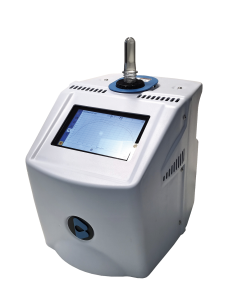
Leading specialty film producer Cosmo First Ltd. stated that it has acquired the cutting-edge KARO IV laboratory stretching machine from Brückner Maschinenbau, placing India among the world’s leaders in the development of film technology. This calculated investment supports the nation’s Atmanirbhar Bharat program, which aims to increase India’s manufacturing capacity and lessen reliance on imports. Cosmo First’s standing among a select group of international film makers with cutting-edge R&D capabilities is further enhanced by this endeavor.

Through the reduction of development time and expenses for films intended for specialized uses, the KARO IV technology will greatly improve India’s capacity for producing specialist films. It will boost in-house development of proprietary film technologies and allow the domestic development of specialist film applications that are now imported, increasing self-reliance in high-performance flexible packaging. Before beginning production trials, the technology will enable Cosmo First to carry out comprehensive research and development, speeding up R&D timelines through affordable laboratory-scale testing.

“The KARO IV will transform how we approach film development in India,” said Mr. Kulbhushan Malik, Business Head, Cosmo Films, the flagship company of the Cosmo First group. “By enabling precise testing of films in both sequential and simultaneous stretching modes, we can now develop new film recipes and evaluate properties at a fraction of the cost and time previously required. This technology represents a significant leap forward in our ability to innovate. It opens doors for collaboration with academic institutions, supporting talent development in polymer science and reinforcing India’s position as a serious player in the global R&D landscape.”

The KARO IV features high stretching ratios from 1.01 x 1.01 up to 10 x 10, heating capability up to 400°C with up to 3 independent heating modules, an advanced EPC control panel with programmable test sequences, and state-of- the-art measurement equipment for stretching forces, displacement, and temperatures. The machine is equipped to handle a wide range of film types, including BOPP, BOPET, and BOPA, with consistent and accurate control over test film processes. The technology positions India to compete at the highest levels of specialty film innovation. Key competitive advantages include faster prototype-to-market cycles compared to traditional development methods, enhanced ability to develop eco-friendly, mono-material films aligned with circular economy goals, and the capability to partner with global brands for co-development of advanced film solutions.

The Indian packaging industry, historically, has lacked advanced lab-scale film stretching systems that could accurately simulate commercial production conditions, as most Indian manufacturers rely on full-scale production lines for R&D, making innovation costly and less agile. Additionally, the packaging industry is facing a regulatory and consumer pressure to shift from non-recyclable multi-material plastics to recyclable mono-material films. The installation will address significant gaps in India’s packaging innovation infrastructure.

Cosmo First increased its BOPP manufacturing capacity by almost 40% to 2,77,000 MT annually with the recent commissioning of a new BOPP line. By facilitating the quick creation of recyclable films and addressing India’s growing environmental concerns, the investment in KARO IV strengthens Cosmo First’s dedication to sustainable manufacturing. Through possible university partnerships, it facilitates the development of domestic knowledge in advanced polymer science and permits testing of novel barrier coatings, laminates, and formulations that satisfy recyclability targets.

www.cosmofirst.com

#CosmoFirst #Modernplasticsindia #Pasticsnews #ModernPlasticsIndiaMagazine
#PrintPublication #Modernplasticsbangladesh
Aduro Appoints Industry Leader David Weizenbach as Chief Operating Officer

Aduro Appoints Industry Leader David Weizenbach as Chief Operating Officer

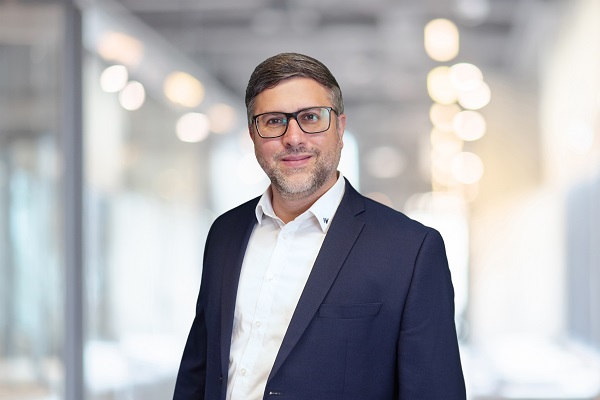
David Weizenbach, P.Eng., has been appointed Chief Operating Officer of Aduro Clean Technologies, a clean technology company that uses the power of chemistry to turn lower-value feedstocks, such as waste plastics, heavy bitumen, and renewable oils, into resources for the twenty-first century. His appointment takes effect on July 1st, 2025.

Mr. Weizenbach has over 30 years of experience in operations, engineering leadership, and industrial technology integration, including 25 years at NOVA Chemicals. He combines organizational expertise with technical competence. He has experience in a variety of heavy industrial settings with process automation, safety systems, capital project delivery, and operational governance. Mr. Weizenbach contributes extensive experience in risk-informed project planning, engineering systems, and operations leadership. His background in overseeing intricate technical settings and helping businesses navigate technological changes will help the Next Generation Process (“NGP”) pilot plant come online and set the groundwork for the company’s demonstration-scale facility and eventual commercial rollout.

For the past six months, Mr. Weizenbach has been working closely with them in a consulting capacity, supporting operational planning and scale-up strategy. His appointment reflects a natural transition into the leadership team at a pivotal moment as the Company expands its operations and moves toward pilot-scale execution and demonstration-readiness. His familiarity with Aduro’s culture, technical approach, and operational priorities ensures continuity and momentum as he takes on this leadership position.

“David is a highly experienced executive with a strong track record in process innovation, team leadership, and operational excellence,” said Ofer Vicus, Chief Executive Officer of Aduro. “He knows our people, our technologies, and our strategic direction — and his transition into this role comes at the right time as we accelerate commissioning of the NGP pilot plant and build the foundation for scaling to demonstration and commercial deployment. We’re pleased to welcome David to the team and are honored he’s chosen to embark on this journey with us.”

Before joining Aduro, Mr. Weizenbach operated an independent consulting practice focused on providing strategic technical guidance to industrial clients aiming to improve performance and implement emerging technologies. He advised a variety of organizations, including major manufacturers and specialized operators. His work included deploying advanced control systems, optimizing fired equipment and process units, and integrating performance data using both on-premise and cloud-based tools. He routinely supported transitions from legacy infrastructure to modern platforms, assisting in aligning operational strategies with broader organizational goals.

“I’ve spent more than three decades working in heavy industry, primarily with one of the world’s leading producers of ethylene and polyethylene, where I had the opportunity to lead outstanding teams across operations, engineering, automation, and emergency response,” said Mr. Weizenbach. “More recently, I’ve focused on helping organizations implement technology to drive safe, reliable, and efficient operations. I’m very excited to bring that same focus to Aduro as we scale our Hydrochemolytic Technology and establish the operational framework for commercial deployment.”

www.adurocleantech.com

#AduroCleanTech #Modernplasticsindia #Pasticsnews #ModernPlasticsIndiaMagazine
#PrintPublication #Modernplasticsbangladesh
ZAHORANSKY EDGE Introduces a New Benchmark in Sustainable Innovative Brush Manufacturing

ZAHORANSKY EDGE Introduces a New Benchmark in Sustainable Innovative Brush Manufacturing

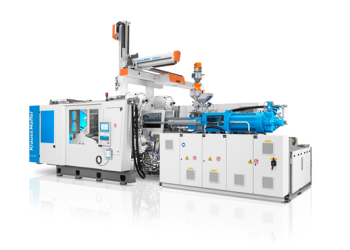
The oral care sector is seeing a convergence of innovative brush design, cost-effective, environmentally friendly production methods, and the high demands on dental health. In order to meet all design, environmental, and cost-effectiveness requirements, ZAHORANSKY has introduced EDGE, a compact production technology that makes it possible to manufacture anchor-free monomaterial toothbrushes efficiently. Handles, heads, and filaments can all be made of the same kind of plastic thanks to the novel anchor-free production method that thermally attaches filament bundles to the brush head.

This not only allows for head designs that are up to 70 percent thinner, but also ensures a constant output of up to 30 brushes per minute – regardless of head geometry or number of filament bundles. The toothbrushes, which are made entirely from a single material and without anchor wire, are 100 percent recyclable and therefore particularly resource-efficient. “The innovation carousel in the highly competitive oral care market is spinning faster than ever. At the same time, manufacturers are under increasing cost pressure when introducing new products. In addition, recyclability and sustainability are becoming increasingly important to end consumers. We are delighted with the first joint projects and the positive customer feedback on EDGE. This confirms our solution expertise for hygienic, stylish, and environmentally friendly products,” says Kevin Eisemann, Head of Development at ZAHORANSKY.

The benefits for end users begin at the very end of the manufacturing chain: thanks to extremely delicate geometries, the EDGE achieves head thicknesses of only about 1.5 millimeters. The edge distances between the filament and the brush contour shrink to just 0.8 millimeters. This is ideal for better reaching the rear areas such as wisdom teeth and molars during daily dental care. In addition, the filament bundles are not pressed together with anchors, but thermally bonded. This prevents the formation of cavities in which saliva, water, or germs could collect, reducing the risk of contamination of the oral cavity, gums, and teeth by germs or mold.

New Design Freedom for Form and Function
From a design perspective, EDGE sets new standards: “Since pre-drilled holes are no longer required in the head, EDGE offers manufacturers great design freedom,” explains Eisemann. Bundles for interdental focus, large-area tufts for massage, and even complex mixed forms can be set in a single production step and then fused with a counter profile at the desired height. Another advantage for manufacturers: this variety of options can be produced more easily and cost-effectively on the EDGE, as magnetically fixed pattern parts are used instead of expensive mold bars for injection molding tools. Most design changes can therefore be made quickly, without tools, and without risk of mix-ups.

Faster Time to Market
To implement new designs quickly, precisely, and cost-effectively, ZAHORANSKY also supports manufacturers with its own rapid prototyping service. New product designs are reviewed at an early stage in collaboration with the customer. Findings, such as how new hole field geometries or profile heights affect haptics, cleaning performance, and brand image, are thus directly incorporated into the further development process and accelerate time to market.

Output That Pays Off
The EDGE also sets standards in terms of business efficiency. “Since the process feeds in all bundles simultaneously, the cycle time of up to 30 toothbrushes per minute remains constant, regardless of the complexity of the brush head,” explains Eisemann. At the same time, there are no costs for anchors or the purchase of multiple injection molding inserts. Thanks to its compact design, requiring only 11 square meters of space, the EDGE can be integrated into existing production environments. Installation and commissioning by the ZAHORANSKY service team on site can often be completed within one working day thanks to the machine’s extensive preconfiguration. During operation, the intuitive ZMI 4.0 control unit guides the operating personnel safely through all production and maintenance processes. In addition, the automatic feed mechanism for brush bodies and filaments means that only occasional human intervention is required for refilling. In times of skilled labor shortages, the EDGE not only provides a stable basis for calculable unit costs, but also makes the entry into anchorless monomaterial technology economically attractive and feasible for medium-sized manufacturers.

Standard-Compliant Manufacturing
The EDGE meets all international testing criteria for manual toothbrushes. Internal measurement series conducted by ZAHORANSKY also prove that the thermally bonded tufts of the EDGE can withstand much higher pull-out forces. It also passes the pendulum impact test for breakage resistance of ultra-thin heads, which is mandatory in Europe and the USA, despite a head thickness of only 1.5 millimeters, which is far below the industry standard of 4 to 5 millimeters. This exceptional stability forms the basis for worldwide approvals – from FDA registration in the USA to CE marking in the European Economic Area. “The EDGE therefore not only offers hygienic and economic advantages, but also provides our customers with the regulatory security to be able to sell their products in all relevant target markets,” says Eisemann.

www.zahoransky.com

#ZAHORANSKY #Modernplasticsindia #Pasticsnews #ModernPlasticsIndiaMagazine
#PrintPublication #Modernplasticsbangladesh

Sidel to Highlight Game Changing Technology at Drinktec 2025

Sidel to Highlight Game Changing Technology at Drinktec 2025

Sidel, a world leader in packaging solutions, extends an invitation to its clients to connect with its professionals at the Munich Trade Fair Center from September 15–19 at drinktec 2025, Hall A6, Booth 361. Sidel has selected Drinktec to introduce its revolutionary new technology in a world-exclusive.

New line performance                                                                                      

In order to experience an optimized packing line journey, Sidel visitors will be led through an interactive tour. From the materials used in the package, which include 100% recycled PET solutions, to the new level of line efficiency and sustained and improved line performance throughout the lifecycle, they will have the opportunity to see and touch Sidel’s newest technology, which will unlock a new level of performance and sustainability.

The age of new packaging

At the heart of Sidel’s booth, visitors will be able to discover levels of production & packaging performance previously thought of as unachievable. “We’re pushing boundaries and achieving more with less – one of the key principles behind our latest line innovations,” adds Cassani.

Sidel signature mark

Sidel’s stand will be easily identifiable as it features an orange-coloured monolith and angled shape. This signature mark next to the company’s logo represents the ‘angle of performance’, a forward-looking approach to improving performance for our customers, grounded in a rich history of food & beverage solution expertise.

The fifth element

Picturing nature’s four elements, or four sources of power and creation, Sidel is set to introduce a groundbreaking ‘fifth element’ for the packaging industry. To be unveiled at the show, this new element empowers a new level of performance, where even the impossible becomes possible, with a paradigm shift in lightweighting, efficiency, ease …and more!

“The future of the packaging industry is the ability to master the total line performance. To achieve this, Sidel partners with food and beverage manufacturers to lead the way in sustainable packaging, to elevate productivity, and to maximize performance for the lifetime of their lines,” said Pietro Cassani, President & CEO, Sidel.

www.sidel.com

#Sidel #Modernplasticsindia #Pasticsnews #ModernPlasticsIndiaMagazine
#PrintPublication #Modernplasticsbangladesh

Molecor Brings New Technologies to K 2025, the Key Plastics Trade Fair in Düsseldorf

Molecor Brings New Technologies to K 2025, the Key Plastics Trade Fair in Düsseldorf

Molecor, a pioneer in innovative solutions for pressurized water pipes through molecularly oriented technology, has announced its attendance at the next edition of the K Trade Fair, taking place 8 – 15 October 2025 in Düsseldorf (Germany). The firm will be present in Hall 16, Stand B17, presenting its most recent innovations and technological advancements for the water infrastructure industry.

Considered the premier international event for the plastics and rubber industries, the K Trade Fair brings together manufacturers, technology developers, suppliers, and decision-makers from around the world. This year’s edition will spotlight three key themes driving the industry forward: digitalisation, the circular economy, and climate protection. Under the overarching slogan “Embracing Digitalisation”, K 2025 will illustrate how advanced digital technologies are transforming production processes, improving traceability, and helping companies like Molecor achieve new benchmarks in sustainability and operational efficiency across the entire plastic value chain.

Molecor’s participation comes at a pivotal time for the global water sector. With aging infrastructure, water scarcity, and leakage losses costing billions every year, there is growing demand for durable, energy-efficient, and environmentally friendly piping solutions. Molecor is internationally recognised for its patented molecular orientation technology, which enhances the mechanical properties of PVC-O (oriented PVC) pipes, providing superior resistance to internal pressure, impact, and external loads while using less raw material and energy during production. These features make PVC-O pipes a sustainable alternative for pressurised water conveyance, irrigation, and sanitation networks.

During the trade fair, Molecor plans to present its latest advancements not only in pipe design and manufacturing but also in smart pipeline monitoring and digital asset management tools that help utilities extend the lifespan of water infrastructure while minimising maintenance costs. Visitors can also learn how the company’s innovative processes contribute to a significant reduction in carbon footprint, aligning with broader industry and regulatory goals for decarbonisation.

Furthermore, K 2025 will host the debut of the “Women in Plastics” initiative, aimed at recognising and amplifying female talent within the sector. Molecor supports this vision, actively promoting diversity and inclusion within its workforce and supply chain partnerships.

By participating in K 2025, Molecor reaffirms its leadership and dedication to developing resilient and sustainable hydraulic infrastructure solutions that address pressing global challenges such as water conservation, resource efficiency, and climate adaptation. Its presence underscores a clear message: that innovation, digital transformation, and environmental responsibility are not optional, but essential pillars for the future of the plastics and water industries.

https://molecor.com/

#Molecor #Modernplasticsindia #Pasticsnews #ModernPlasticsIndiaMagazine
#PrintPublication #Modernplasticsbangladesh

GIC Opens Sustainability Platform to Align Chemical Suppliers with Global Consumer Brands

GIC Opens Sustainability Platform to Align Chemical Suppliers with Global Consumer Brands

In an effort to facilitate a future with net-zero and circular chemicals, the CEO-led Global Impact Coalition (GIC) is launching a new project to involve consumer-facing businesses as Value Chain Partners.
It has become evident that no one industry alone can address the growing pressure on businesses throughout the chemical value chain to achieve climate, circularity, and recyclability requirements. Deeper cooperation between chemical manufacturers and downstream consumer goods companies—who depend on the chemical sector for a wide range of product ingredients and packaging materials—will be necessary to make significant headway.

“Reducing what is known as scope 3 carbon emissions will require a deeper integration of business models and ultimately, greater collaboration along the material and product value chain,” said Charlie Tan, CEO of the Global Impact Coalition. “We are putting out a strong call to action for global consumer goods companies to co-build the next generation of supplier-enabled solutions, along with the chemical industry.”

GIC invites consumer goods leaders to join a structured engagement with chemical suppliers, from ideation to tangible projects, designed to co-develop commercially scalable projects that reduce emissions, increase circularity, and enable safer chemical use.

“Collaboration of chemical companies with downstream partners such as consumer goods companies is essential to scale sustainable products and build viable business cases,” said Lars Kissau, President at BASF and member of the GIC Executive Committee. “This is not about talk. It’s about co-creating real solutions with the companies that rely on the chemical industry in all their products.”

Unlike traditional industry groups focused on advocacy or roadmaps, GIC operates as an action-oriented platform that guides members through a four-stage process: from shared problem definition and ideation to project development and spin-out. Current GIC projects include joint efforts on developing 100% circular waste streams, sustainable biomass sourcing, and PFAS remediation and destruction.

The Value Chain Partner initiative gives consumer brands a unique opportunity to:

  • Shape future-ready projects that directly reflect consumer goods business needs
  • Pilot tangible solutions with chemical suppliers and scale what works
  • Join a platform of global leaders working to accelerate progress on Scope 3 emissions reduction, circularity, and “no harm” innovation

Participation is open to global consumer goods companies committed to partnering with their chemical industry suppliers to accelerate emissions reductions and drive systemic change. Engagements include executive-level discussions, project working groups, and biannual ideation workshops.

https://globalimpactcoalition.com/

#globalimpactcoalition #Modernplasticsindia #Pasticsnews #ModernPlasticsIndiaMagazine
#PrintPublication #Modernplasticsbangladesh

ALPLA Adds KM Packaging to Strengthen Closure Innovation

ALPLA Adds KM Packaging to Strengthen Closure Innovation

ALPLAinject, the injection-molding subsidiary of the ALPLA Group, is being strengthened by the acquisition of KM Packaging. With this acquisition, the global leader in plastic packaging will now produce premium tube, bottle, and jar closures at six more locations in Germany, Austria, Poland, and the US—including clean rooms if preferred. The management and staff of the business are being taken on by ALPLA; the deal is pending and subject to approval from the competition authorities.

ALPLA will integrate KM Packaging into its ALPLAinject division (from left): Nicolas Lehner (ALPLA Group CCO), Klaus Mauer (Managing Director KM Packaging) and Michael Feltes (Managing Director ALPLAinject). Photo Credit: ALPLA/KM Packaging.

The acquisition of KM Packaging will allow ALPLA to expand its line of closures to include injection-molded parts for safe, economical, and environmentally friendly packaging solutions. The Ubstadt-Weiher, Germany-based KM Packaging will become a part of the ALPLAinject business. With about 500 workers, the six locations in Germany, Austria, Poland, and the US offer a notable expansion in capacity and product selection. Every year, KM Packaging produces around 6.5 billion injection-molded parts.

‘At ALPLA, we think of packaging in its entirety. We create a competitive advantage for brand-name manufacturers globally with innovative, system-based solutions. Injection-moulded parts play a key part in this. KM Packaging, a well-regarded specialist in tube closures, caps and dispensing aids, is a perfect match for our concept,’ emphasises Michael Feltes, Managing Director of ALPLAinject. The strategic investment is an excellent complement to the portfolio and enables immediate market access and customer support.

The KM Packaging management team, led by Managing Director Klaus Mauer, and the site personnel are all being taken on by ALPLA. ‘We and ALPLA are tradition-filled family companies sharing values such as trust, responsibility and extremely – The ALPLA Group is strengthening ALPLAinject, its injection-moulding division, with the acquisition of KM Packaging. This acquisition means the international plastic packaging specialist will now also manufacture high-quality closures for tubes, bottles and jars, including in clean rooms if desired, at six additional sites in Germany, Austria, Poland and the US. ALPLA is taking on the company’s management and personnel; the transaction is subject to and contingent upon receipt of competition regulatory approval.

KM Packaging’s six sites in Germany, Austria, Poland and the US produce high-quality closures for tubes, bottles and jars. Photo Credit: ALPLA/KM Packaging.

To offer injection-moulded parts for safe, affordable and sustainable packaging solutions, ALPLA is expanding its range of closures by acquiring KM Packaging. KM Packaging, based in Ubstadt-Weiher (Baden-Württemberg, Germany), will be integrated into the ALPLAinject division. The six sites in Germany, Austria, Poland and the US with roughly 500 employees provide a significant increase in capacity and product range. KM Packaging manufactures more than 6.5 billion injection-moulded parts each year.

‘At ALPLA, we think of packaging in its entirety. We create a competitive advantage for brand-name manufacturers globally with innovative, system-based solutions. Injection-moulded parts play a key part in this. KM Packaging, a well-regarded specialist in tube closures, caps and dispensing aids, is a perfect match for our concept,’ emphasises Michael Feltes, Managing Director of ALPLAinject. The strategic investment is an excellent complement to the portfolio and enables immediate market access and customer support.

The KM Packaging management team, led by Managing Director Klaus Mauer, and the site personnel are all being taken on by ALPLA. ‘We and ALPLA are tradition-filled family companies sharing values such as trust, responsibility and extremely.

www.alpla.com

#ALPLA #Modernplasticsindia #Pasticsnews #ModernPlasticsIndiaMagazine
#PrintPublication #Modernplasticsbangladesh

Syensqo Embarks on New Recycling Journey With Fairmat Partnership

Syensqo Embarks on New Recycling Journey With Fairmat Partnership

Syensqo, a global leader in advanced performance materials, has announced a strategic collaboration with Fairmat, a pioneering French deeptech company specializing in recycling carbon fiber composites. This new agreement marks a significant step forward in the sustainable management of composite waste and reinforces both companies’ commitment to advancing the circular economy. Under the terms of the agreement, Fairmat will take responsibility for recycling Syensqo’s UK-based carbon fiber prepreg waste. Through its proprietary recycling process, Fairmat will transform this high-performance composite waste into valuable raw materials for a variety of demanding applications—including in the sports, energy, mobility, and electronics industries.

This partnership highlights the growing urgency and industrial commitment to finding scalable and efficient ways to manage end-of-life advanced materials. With the carbon fiber market continuing to expand, the challenge of managing manufacturing and post-industrial waste has become a pressing concern for industries reliant on lightweight, high-performance composites. Traditional disposal methods such as landfilling or incineration not only carry significant environmental drawbacks but also result in the loss of valuable materials. Fairmat offers a proven, innovative alternative by recovering and reprocessing composite waste into new engineered materials—preserving much of the mechanical performance and drastically reducing environmental impact.

Example of products made of Fairmat rCFRP. (Photo: Fairmat, PR072)

Gabriel Molina, Sustainable Development Director at Syensqo Composite Materials, emphasized the strategic importance of this new initiative, stating, “This new collaboration contract adds to our other recycling agreements worldwide and is integral to our comprehensive strategy to advance on composite materials’ circularity.” Molina’s statement reflects Syensqo’s broader efforts to develop a global network of recycling partnerships and sustainable waste management streams, aiming to make its operations more circular across its business units. In the UK, where the company operates a number of advanced materials facilities, including those dedicated to aerospace and automotive prepregs, this collaboration offers a practical solution to one of the industry’s most difficult waste streams: thermoset carbon fiber composites.

The Fairmat partnership is part of a broader sustainability roadmap being rolled out in all Syensqo operations worldwide. The company is already taking steps to lower the carbon footprint of its manufacturing processes and is implementing more bio-based and mass-balanced materials. Its composite materials are already serving a central function in making mobility solutions more efficient—ranging from next-generation electric drives and hydrogen fuel cell technology to aircraft parts optimized for fuel efficiency and emissions reduction. Outside mobility, Syensqo is investing in renewable energy infrastructure, electronics, and sporting goods that depend on high-performance but sustainable material solutions.

Fairmat’s CEO and Founder, Benjamin Saada, expressed enthusiasm about the new partnership, noting the value that Syensqo’s materials bring to the recycling process. “We are proud to partner with Syensqo and help them achieve a sustainable outcome for their UK waste,” Saada said. “Thanks to our proprietary and proven technology we will extract precious value out of their materials to create new engineered materials for high-performance applications.” Fairmat’s approach is based on a proprietary mechanical recycling method that preserves the intrinsic properties of carbon fiber, allowing the company to develop new composite materials with exceptional strength-to-weight ratios and a dramatically lower environmental footprint compared to virgin carbon fiber.

This agreement is not a standalone effort for Syensqo. It exists as part of an emerging global recycling and sustainability strategy being rolled out by the company in Europe, the Americas, and Asia. Besides recycling alliances, Syensqo is also investing in novel resin systems from renewable feedstocks and is working diligently on enhancing the end-of-life recyclability of its product lines. These initiatives are part of Syensqo’s overall ESG ambitions and its drive to reach net-zero emissions throughout its value chain by 2050.

“We see in Fairmat a mature partner that offers a reliable and sustainable business model. We look forward to seeing where this new partnership takes us,” added Molina. His statement underscores the need for trusted and technically capable partners to enable real circularity in complex industrial supply chains. Unlike linear manufacturing systems, circular economy models depend on robust collaborations between material producers, recyclers, and end-users to close the loop and minimize waste across product lifecycles.

The collaboration also comes at a time when regulatory pressures on composite waste management are intensifying. The UK and European Union have introduced stricter guidelines on industrial waste disposal and are incentivizing businesses to adopt circular strategies. In this context, Syensqo’s proactive approach to recycling not only strengthens its environmental credentials but also positions it favorably in a market where regulatory compliance is becoming a key component of competitiveness.

Syensqo’s role as a technology enabler in the global shift toward sustainability is also gaining recognition. The company continues to support a broad ecosystem of innovation, ranging from lightweighting solutions for e-mobility to next-generation wind turbine components and consumer electronics. Through this new partnership with Fairmat, Syensqo adds another layer to its vision of creating a closed-loop model for composite materials—one where performance, profitability, and sustainability can coexist.

www.syensqo.com
www.fairmat.tech

#syensqo #fairmat #Modernplasticsindia #Pasticsnews #ModernPlasticsIndiaMagazine
#PrintPublication #Modernplasticsbangladesh

UFlex Delivers FSSAI-Compliant Pellet Supporting Circular Packaging Solutions

UFlex Delivers FSSAI-Compliant Pellet Supporting Circular Packaging Solutions

The leading international flexible packaging and solutions company in India, UFlex, has announced the release of its most recent invention, a single-pellet solution that complies with FSSAI regulations and uses recycled PET in food and drink packaging. This novel product combines virgin and recycled PET to create a single, very pure pellet with mechanical and thermal stability. This resin produces packages with a decreased acetaldehyde content, great clarity, and strength. Crucially, this resin solution may be used with current PET production lines, allowing for a smooth transition to rPET without the need for further infrastructure investment.

For FMCG firms looking to fulfill their sustainability responsibilities, UFlex’s single-pellet solution provides a fully compliant, ready-to-implement option that is in line with the most recent FSSAI requirements that complement the Government of India’s Extended Producer Responsibility (EPR) framework. The new regulations, which go into effect on April 1, 2025, require that by FY26, brands that use rigid plastic packaging made of Category-1 materials, such PET bottles, include at least 30% recycled content. In order to verify that the material is safe for direct food contact, the innovation conforms with the FSSAI’s definition of Food Contact Material-recycled PET (FCM-rPET), which calls for a validated decontamination procedure. The US Food and Drug Administration (USFDA) has approved UFlex’s solution, which satisfies both domestic and international safety criteria.

Commenting on the launch, Mr. Ashish Saxena, Joint President – Packaging Films Business, UFlex Limited, said, “Since our inception, we have always been committed to pioneering sustainable packaging solutions. We are pleased to offer our latest innovation—the single-pellet solution, which will be a game-changer for food and beverage brands striving to meet EPR compliance under the new FSSAI guidelines. Our recent announcement of ₹317 crore investment in two new recycling plants in Noida is a strong reaffirmation of our commitment to India’s plastic waste management vision. As regulations become more robust, we aim to set the benchmark for responsible production and scalable, sustainable packaging solutions in India and beyond.”

UFlex is the first and only Indian company to receive USFDA approval for its technology and capacity to recycle all three materials: recycled polyethylene terephthalate (rPET), recycled polyethylene (rPE), and recycled polypropylene (rPP) for use in food packaging.

With a global recycling capacity of 72,300 metric tonnes per annum (MTPA), and an additional 39,600 MTPA set to be commissioned soon, UFlex has established one of the most robust recycling ecosystems in the industry. To date, the company has recycled over 5 billion post-consumer PET bottles, converting them into high-quality raw materials for sustainable packaging solutions. In FY25 alone, UFlex recycled 8,200 metric tonnes of mixed flexible waste, advancing its circular economy goals. It has established recycling plants across India, Poland, Egypt, and Mexico, processing a wide range of post-consumer plastic waste. It is the only Indian company working on innovative solutions for mixed flexible waste and PCR applications both in India and globally.

www.uflexltd.com

#uflexltd #Modernplasticsindia #Pasticsnews #ModernPlasticsIndiaMagazine
#PrintPublication #Modernplasticsbangladesh

Plastlit Partners with Gneuss to Deliver Food Safe Polystyrene Recycling Breakthroughs

Plastlit Partners with Gneuss to Deliver Food Safe Polystyrene Recycling Breakthroughs

With more than 55 years of expertise in Ecuador and South America, PLASTLIT S.A. started out in the food sector with flexible packaging before branching out into food service packaging for delivery and other uses.

PLASTLIT is well-known for its industrial, environmental, and social responsibilities. It has established a solid reputation through constant innovation, creating high-tech products using recyclable, reusable, and renewable materials.

Sorting polystyrene packaging from the post-consumer sector. Image Source: Gneuss

While foodservice packaging has provided essential solutions to the industry since the 1980s, it has also brought waste management challenges, particularly in markets such as Ecuador. Collaboration with local authorities and waste management companies has been limited, making pollution, particularly from single-use plastics, a significant issue.

As a leading supplier of single-use plastics to the foodservice industry, PLASTLIT recognised its responsibility to address this challenge. Mr. Esteban Simon, PLASTLIT CEO: “We began to look at recycling as a solution for the community, recognising that pollution, particularly from plastic, is a significant issue. It is a challenge that affects and involves all businesses operating in the community.”

PLASTLIT now uses 18% post-consumer polystyrene with 82% virgin material in all of its expanded polystyrene foam packaging. This innovative solution has been made possible through a joint effort with local recyclers who collect material from towns and cities. The collected post-consumer material is washed, shredded and then processed using Gneuss OMNI recycling technology for decontamination and cleaning. This ensures that the recycled material meets food grade standards. A Letter of No Objection (LNO) from a North American food safety authority confirms compliance with food safety requirements.

Michael Mieles – Operator, Josué Sellan – Operator, César Parra – Production Manager, Donato Álvarez – Process Engineer, Stalin Arias – Operator in front of the OMNI Recycling Line. Image Source: Gneuss

Mr. Esteban Simon, PLASTLIT CEO: “We chose Gneuss as our partner because of their outstanding technologies and know-how. Their achievements in the plastics and recycling industries truly convinced us of their ability to support our project.”

The Gneuss Super-Clean Process enables the efficient recycling of 100% post- consumer plastics into safe, high-quality materials, even for food packaging. This outstanding performance is achieved using a Gneuss OMNI recycling system, which combines advanced degassing with the MRS extruder and fine filtration with the RSFgenius system to effectively remove contaminants. Unlike other processes, this Gneuss technology requires no pre- or post-processing steps. Vacuum systems to remove contaminants from the degassed vapours complete the system, enabling previously unattainable recycling loops. Successful challenge tests and certifications, including approvals from a North American and a Colombian food safety authority (INVIMA), confirm the exceptional decontamination efficiency of the process, which exceeds global standards and ensures safety under various storage conditions.

The Gneuss OMNI recycling line at PLASTLIT is the first of its kind in Latin America to recycle post-consumer polystyrene waste into food contact materials. This installation represents a significant advancement in sustainable recycling solutions for the region.

Food grade polystyrene packaging from Plastlit. Image Source: Gneuss

Since 2020, Ecuador has been at the forefront of Latin America’s efforts to reduce single-use plastics and promote recycling. The legislation includes bans on certain items, requirements for recyclable materials, improved waste management through public-private partnerships and initiatives to raise environmental awareness. These measures create a win-win situation for recyclers, the environment and the food packaging industry, establishing Ecuador as a leader in promoting sustainability and a circular economy.

“Our current focus is on incorporating up to 18% recycled material into our finished products, and we’re very pleased with the progress we’ve made so far,” says Esteban Simon. “Looking ahead, this is just the beginning. Our goal is to expand the use of recycled materials into industrial packaging for the food industry. This includes flexible packaging solutions, such as sheets for dairy or yogurt manufacturers.

Transitioning from food service to industrial packaging with recycled materials is a key area we are actively pursuing. When you think about plastic packaging in the future and recycled material, recycling and plastic must go hand in hand, and Gneuss is the right partner to make that vision a reality.”

www.gneuss.com

#gneuss #Modernplasticsindia #Pasticsnews #ModernPlasticsIndiaMagazine
#PrintPublication #Modernplasticsbangladesh