Home Blog Page 21

Cutting Edge RPET Bottle Production Achieved with Blowscan and Thermoscan at Drinktec

Cutting Edge RPET Bottle Production Achieved with Blowscan and Thermoscan at Drinktec

BMT, a strategic technology partner for packaging, will exhibit state-of-the-art innovations BLOWSCAN and THERMOSCAN, proven to help manufacturers improve PET bottle performance, reduce waste and accelerate development cycles.

At drinktec 2025, BMT (Blow Moulding Technologies), will showcase its cutting-edge hardware innovations, alongside its materials characterisation and simulation services for the global packaging industry.

“At BMT we engineer the virtual world for real-world environmental impact. By making sustainability achievable, we’re helping brands and manufacturers optimise material use, reduce waste, and improve bottle performance,” comments Yannis Salomeia, BMT CEO & Co-founder.

“Join us at drinktec, (C6-531) where we’ll be showcasing our advanced lab tools, BLOWSCAN and THERMOSCAN, designed to unlock data-driven improvements in stretch blow moulding.

“Visitors can also explore our signature, the BMT Way, a collaborative workflow that combines data, hardware and technical expertise to streamline PET bottle production.

“Let’s shape a more sustainable future, one bottle at a time.”

BLOWSCAN – a lab-based, single cavity stretch blow moulding platform

As the packaging industry accelerates use of recycled content, understanding material behaviour during stretch blow moulding (SBM) is essential. rPET and other sustainable materials behave unpredictably, making it harder to ensure consistent bottle performance – driving demand for tools that help R&D teams de-risk production.

At drinktec, BMT directly addresses this challenge directly, showcasing its cutting-edge innovation, BLOWSCAN. This lab-based, single-cavity SBM platform delivers deep, data-driven insight into material performance, preform quality, and bottle development, without disrupting production.

Its modular design allows easy switching between free-blow and mould-blow modes. In free-blow mode, materials such as recycled PET (rPET) or bio-polymers are stretched without mould constraints, making it ideal for benchmarking material behaviour. Mould-blow mode supports rapid prototyping and validation of new geometries, enabling fast iteration during early-stage design and, in some cases, improving material validation rates by up to 20%.

BLOWSCAN uses a batch-fed preform system, no conveyors or hoppers and uses infrared to replicate industrial conditions. It captures key data, including preform temperature, inflation pressure, and blow geometry, enabling robust comparison across materials and machine setups.

“As brands push for lighter, more complex bottles, even small changes can create processing issues. BLOWSCAN helps de-risk early-stage development with quantifiable insights, while supporting site-specific process optimisation,” comments Josh Turner, Head of Materials Characterisation at BMT.

From resin producers and preform manufacturers to brand owners, BLOWSCAN accelerates innovation, improves decision-making, and builds confidence in scaling sustainable packaging.

THERMOSCAN – precision temperature insights for sustainable bottle production

Sustainability targets are accelerating the shift to rPET, but recycled materials behave less predictably than virgin PET (vPET), leading to thermal variability and inconsistent bottle performance. Traditional responses, like adjusting oven power, often rely on guesswork, resulting in inefficiencies and quality issues.

At drinktec, BMT will exhibit THERMOSCAN, a lab-based thermal imaging system that provides high-fidelity temperature data for preforms and bottles. By capturing the temperature profile of a successful vPET run, teams can set informed starting points for rPET and use THERMOSCAN to compare and fine-tune heated preforms. This ensures more consistent processing and performance.

THERMOSCAN offers a data-driven way to manage material changeovers, narrowing process windows and reducing reliance on guesswork. It accelerates setup time, improves quality, and supports more controlled, efficient operations.

Rooted in R&D excellence, trusted across the development-to-production spectrum, it helps benchmark thermal behaviour across materials and machines, cutting profiling time by up to 30%. Its value lies in its ability to provide a full temperature profile of the preform, enabling faster, site-specific decisions for sustainable bottle production.

The BMT Way: Measure, Digitise, Execute

Visitors to BMT’s stand at drinktec can also discover the BMT Way – a structured, collaborative workflow that combines hardware, data, and deep technical expertise to streamline bottle development from concept to production, helping teams accelerate innovation, reduce risk, and consistently deliver high-performing bottles.

“It begins by capturing how materials behave in the real world, using tools like THERMOSCAN and BLOWSCAN to gather high-resolution thermal and process data across every stage, from preform to bottle,” explains BMT’s Project Lead, Jude Cameron. “This data replaces assumptions with measurable, repeatable insights. The information is then translated into virtual models to simulate forming and performance, enabling faster, more informed design iteration. “

By digitising this data, teams can explore design, material, and process interactions virtually, validate ideas with confidence, and reduce reliance on trial-and-error. Finally, insights are fed back into production through site-specific process adjustments and quality frameworks, driving consistency, reducing risk, and accelerating time-to-market. Unlike fragmented tools or isolated lab work, the BMT Way closes the loop between design, validation, and execution, helping teams deliver high-performing bottles, faster.

“We’re looking forward to connecting with industry partners and sharing insights into the latest innovations in PET packaging, helping clients de-risk development, improve efficiency, and achieve their sustainability goals,” concludes David McKelvey, Head of Strategic Partnerships and Innovation.

www.bmt-ni.com

#bmt #Modernplasticsindia #Pasticsnews #ModernPlasticsIndiaMagazine
#PrintPublication #Modernplasticsbangladesh

FTCCI’s Excellence in Product Innovation Award 2025 Celebrates Creativity

FTCCI’s Excellence in Product Innovation Award 2025 Celebrates Creativity

Blend Colours Pvt. Ltd., a leading name in the masterbatch and additive manufacturing industry, has been conferred with the FTCCI Award 2025 for Excellence in Product Innovation – Large Companies category.

The FTCCI Excellence Awards are one of the most prestigious industrial accolades in Telangana, established to recognise businesses and institutions for their remarkable achievements and contributions across diverse fields.

Blend Colours Pvt. Ltd., a leading name in the masterbatch and additive manufacturing industry, has been conferred with the FTCCI Award 2025 for Excellence in Product Innovation – Large Companies category. The award, presented by The Federation of Telangana Chambers of Commerce and Industry (FTCCI), recognises outstanding contributions to innovation and industrial excellence.

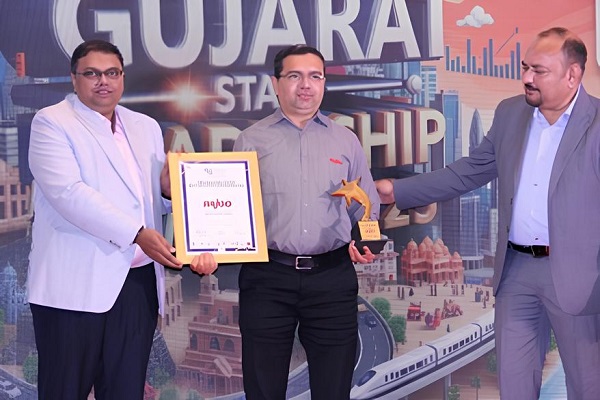
The honour was bestowed at a prestigious ceremony held on 8th July 2025, at Taj Deccan, Hyderabad, in the presence of industry leaders, dignitaries and government officials. The award was presented by Shri Jishnu Dev Varma, Hon’ble Governor of Telangana and selected by a distinguished jury comprising eminent retired IAS and IPS officers. Mr. Sharad Rathi, Director and Mr. Shailesh Lahoti, Director received the award on behalf of Blend Colours Pvt. Ltd.

Blend Colours was recognised for its innovative additive developed for the recycling industry – a breakthrough solution addressing one of the most pressing challenges in sustainable plastics. This product reflects the company’s commitment to R&D-led innovation and sustainable manufacturing practices.

Speaking about the company’s commitment to research and innovation, this award is more than for just a product – it is the acknowledgement of the thought leadership of Blend Colours; to quote, “Research is at the core of what we do. It’s not just about standing apart, it’s about solving real-world challenges and taking responsibility for a better tomorrow. We believe in identifying high-impact sectors and developing meaningful, application-driven solutions. Our R&D centre reflects our commitment to curiosity and innovation in plastics, and to delivering value-centric solutions that support and elevate our customers’ businesses.”

In its pursuit of future readiness, Blend Colours is also set to unveil a new brand identity at the upcoming K 2025 show, marking a significant milestone in its journey towards innovation and sustainability.

www.blendcolours.com

#blendcolours #Modernplasticsindia #Pasticsnews #ModernPlasticsIndiaMagazine
#PrintPublication #Modernplasticsbangladesh

K 2025 Features High Performance Plastics Recycling Lines Designed for Reduced Energy Use and Higher Output

K 2025 Features High Performance Plastics Recycling Lines Designed for Reduced Energy Use and Higher Output

Coperion, together with Herbold Meckesheim, will present their expertise in various plastics recycling applications at this year’s K show in Dusseldorf, Germany (8-15 October 2025). At Booth 9B34 in Hall 9, the focus will be on Herbold Meckesheim’s technologies for mechanical processing of plastics waste. On display will be the new T 150-300 Mechanical Dryer and the SMS 80-200 Granulator. In the Open Area, Pavilion FG/CE07, visitors can witness the seamless interplay of all Coperion recycling technologies. On view will be a Herbold Meckesheim Hydrocyclone Stage, the ZSK FilCo filtration compounder, the ZS-B MEGAfeed side feeder, a Coperion K-Tron K3-V200 vibratory feeder, an S60 single screw feeder and the MechaTron flat bottom feeder. Also on display will be a mobile deodorization unit for reliably removing unpleasant odors from recyclates. In addition to plastics recycling, Coperion specializes in plastic compounding technologies. These core competencies will be on display at Booth 14B19 in Hall 14.

Coperion K-Tron K3 vibratory feeders are equipped with a unique drive system and are suitable for high-accuracy feeding of recycling materials.

High performance using ZSK FilCo with ZS-B MEGAfeed

In the Open Area, Pavilion FG/CE07, Coperion will exhibit its new ZSK FilCo filtration compounder which enables recyclate filtering and subsequent compounding in one step. In comparison to two-step production lines, the ZSK FilCo handles the product very gently and provides higher quality at significantly reduced energy consumption when recycling post-consumer waste and other highly contaminated polymers. Waste plastics in the form of regrind, fiber pellets, film flakes or agglomerate with no pre-treatment are introduced into a ZSK twin screw extruder where they are melted, homogenized and devolatilized. The melt is then fed through a filter, removing any contaminants. In the subsequent compounding process additives are introduced into the melt prior to pelletizing the compound.

To fully exploit the ZSK FilCo’s high performance, raw materials must be supplied at a constant rate with no intake limits. While this can be accomplished either by pelletizing the waste plastic or regrind, or by using a compacting process, these are very energy-intensive processes and increase both capital and operating costs. In contrast, the ZS-B MEGAfeed side feeder, on display in Pavilion FG/CE07, reliably feeds recycled materials with a bulk density as low as 20 kg/m3 into the ZSK FilCo and other ZSK extruders. This allows for recycling and compounding of lightweight, high-volume fibers and flakes at high throughputs.

Seamless connection of bulk material handling and feeding technology Coperion is an expert in numerous feeding technologies that stand out with their high-accuracy and easy handling. Representative of this expertise, in Pavilion FG/CE07 Coperion will display a Coperion K-Tron K3-V200 vibratory feeder that excels in providing high-accuracy gravimetric feeding particularly for challenging materials, for example where smaller recyclates or flakes are being fed into the extrusion process. For light and fluffy, hard-to-feed materials such as polypropylene or PET plastic film, Coperion will showcase the MechaTron FB (flat bottom) feeder, a gravimetric feeder ideal for high-capacity recycling operations. Also on display is the Coperion K-Tron S60 single screw feeder, another feeder the provides very high reliability.

Coperion developed its ZRD rotary valve especially for plastics recycling processes. Together with the new drive technology, the new design of the gap between the rotor and housing ensures reliable discharge of flakes.

With the EcoFresh silo devolatilization solution recently installed in the Recycling Innovation Center, Coperion offers the ability to test devolatilization performance on actual customer products under near-production conditions before investing.

Entire lines from a single supplier

At K 2025, Coperion will demonstrate how its various technologies work together through an all- encompassing 3D simulation. Visitors will gain insights into the operation of a complete system as well as the function of each individual component. All of Coperion’s components and technologies are characterized by high throughput, excellent end-product quality, and exceptional efficiency. For example, Coperion recently successfully commissioned chemical plastics recycling lines at two customer facilities, both capable of processing up to 6,000 kg/h.

Even when recycling PET, processors profit from Coperion’s expertise in engineering complete systems, achieving very good end product quality, and providing high throughputs. Pre-drying the PET flakes is not necessary thanks to the effective degassing in the Coperion process. A few weeks ago, Coperion and Herbold Meckesheim installed the first stage of a bottle-to-bottle recycling plant at Magpet Polymer Pvt Ltd in India. The successful startup of the granulators and washing line marks an important step toward launching the full plant, which is designed to process up to 5,500 kg/h.

Likewise, the benefit of such end-to-end line expertise is evident in the effective removal of unwanted odors. All along the entire recycling process, Coperion offers various solutions for reliably deodorizing post-consumer plastics. Odor removal in mechanical processing, devolatilization in the twin screw extruder, and Coperion’s EcoFresh Silo devolatilization solutions are available to observe. The interplay of these technologies reliably ensures the desired product quality. Coperion recently installed the EcoFresh silo devolatilization at its Recycling Innovation Center. There, customers can thoroughly test various odor removal technologies using actual products under near-production conditions before making an investment. This allows them to ensure that the final process meets all quality requirements.

https://www.coperion.com/

#coperion #Modernplasticsindia #Pasticsnews #ModernPlasticsIndiaMagazine
#PrintPublication #Modernplasticsbangladesh

Beijing Plant Strengthens Green Credentials with Solar Expansion

Beijing Plant Strengthens Green Credentials with Solar Expansion

Sidel’s Beijing Plant’s rooftop solar photovoltaic (PV) system has now achieved full grid connection

Thousands of PV panels now form a blue armour-like array across the facility, gleaming under the sunlight. This milestone green energy project injects new momentum into Sidel’s sustainable operations, marking a solid step forward in the company’s decarbonisation journey and setting a new benchmark for green transformation in the industry.

Solar PV system powers low-carbon operations as ‘Green Energy Hub’ launched

With an installed capacity of 2.1 MW, Sidel Beijing’s solar system is expected to generate 4,394,700 kWh annually – meeting 60% of the plant’s daily operational electricity needs and reducing CO₂ emissions by 2,452 tonnes per year.

Through the innovative ‘self-consumption with surplus feed-in’ model, 35% of the clean energy generated will be fed back into the municipal grid via smart power networks after fulfilling on-site demand. This enables optimised allocation and efficient utilisation of green energy, transforming every ray of sunlight into sustainable power.

As a signature project to China’s ‘Dual Carbon’ strategy implementation, the installation features industry-leading LONGi Hi-MO7 high-efficiency modules with 615W panel power and a top-tier conversion efficiency of 23.1%.

Multi-pronged approach to building a model green factory

Since establishing operations in Beijing in 2008, Sidel Beijing Plant has embedded sustainability into its core strategy. Continuous environmental investments and innovations culminated in 2025 certifications including ISO 50001:2018 Energy Management System; ISO 14064-1:2018 Zero Carbon Factory; and GB/T 39257-2020 / GB/T 33635-2017 5-Star Green Supply Chain Management.

As a Beijing-certified Green Factory, Sidel’s environmental efforts go far beyond solar energy, encompassing an intelligent Energy Management System (EMS) and Building Automation System (BAS) for precise energy control; a retrofit programme for equipment frequency conversion to reduce consumption; low-temperature distillation technology to minimise effluent from acid-wash passivation; continuous optimisation of water recycling systems saving hundreds of tonnes annually; upgraded lighting that cuts power use while improving employee comfort; and on-site EV charging stations to promote greener commuting and lower carbon footprints.

Global green commitment, local implementation

Environmental stewardship remains a Sidel a core value, developing innovative solutions to reduce its footprint. The Group has an ambitious target (73% reduction in Scope 1 & 2 emissions versus 2019 baseline) and has already achieved 64% of reduction in 2024. Since 2022, all Sidel plants globally operate on 100% renewable energy, with the Beijing solar project being a tangible manifestation of this commitment.

“Building a beautiful Earth requires concrete corporate action. This PV system not only slashes our operational carbon footprint but demonstrates Sidel’s unwavering commitment to green manufacturing. We will continue exploring innovative technologies to advance sustainable industry development,” comments Li Yonghon, Director, Sidel Beijing Plant.

Standing beneath the solar panel canopy, we see not just clean energy flowing through these silent sunlight harvesters, but Sidel’s resolute journey toward sustainability. Future plans include exploring energy storage solutions and smart energy management to transform the plant into an urban green energy hub.

https://www.sidel.com/en

#sidel #Modernplasticsindia #Pasticsnews #ModernPlasticsIndiaMagazine
#PrintPublication #Modernplasticsbangladesh
Hollow Fiber Technology Scores Gold in Global Sustainability Review

Hollow Fiber Technology Scores Gold in Global Sustainability Review

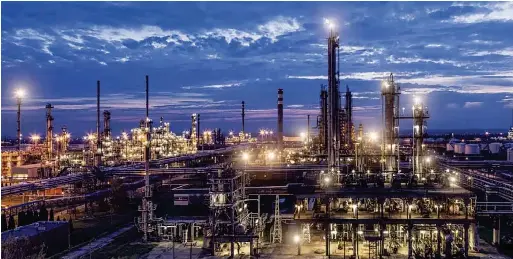
Japanese technology Asahi Kasei has announced that its Microza & Water Processing Division, which provides Microza hollow-fiber membranes for filtration and separation, received a gold rating in the EcoVadis sustainability assessment conducted in June 2025. EcoVadis is a sustainability assessment company based in France that performs the review annually. This rating places the Asahi Kasei division among the top 5% of all entities assessed.

Microza is used broadly in two areas: water treatment processes, such as water purification and wastewater/industrial water reuse; and industrial processes, including filtration and separation in biopharmaceuticals, pharmaceutical water, food, and industrial chemicals. By providing membrane technology for these applications, Asahi Kasei contributes to improved productivity, reduced environmental impact, and effective utilization of limited water resources.

The EcoVadis assessment evaluates corporate sustainability initiatives across four categories: Environment, Labor & Human Rights, Ethics, and Sustainable Procurement. This assessment targeted manufacturing at the Microza Fuji Plant and related supply and value chain activities. The Microza & Water Processing Division received particularly high marks in the Environment category. EcoVadis ratings are based on international sustainability standards and have been awarded to over 150,000 companies across 185 countries and 250 industries. The EcoVadis evaluation has become a globally recognized benchmark for objectively assessing corporate sustainability efforts.

“Receiving this Gold rating is a significant milestone for our business and reinforces our commitment to supporting society through membrane and separation technologies,” said Satoshi Kobayashi, Senior General Manager of the Microza & Water Processing Division. “By strengthening technological innovation and global collaboration, we will continue to provide solutions that conserve safe and clean water resources while enhancing productivity in separation and concentration processes across various industries, creating new value for a more sustainable society.”

The Asahi Kasei Group is committed to promoting sustainability initiatives across all business areas. To maintain transparency and accountability, the organization publishes an annual sustainability report outlining activities and achievements.

www.asahi-kasei.com
https://ecovadis.com/en/

#asahi-kasei #Modernplasticsindia #Pasticsnews #ModernPlasticsIndiaMagazine
#PrintPublication #Modernplasticsbangladesh

Fresh Brand Identity Unveiled for 40 Year Anniversary Celebration

Fresh Brand Identity Unveiled for 40 Year Anniversary Celebration

Ester Industries Limited, India’s leading manufacturer of polyester films, specialty polymers, and engineering plastics, today unveiled its new brand identity, celebrating 40 years of excellence, transformation, and sustainable growth in the country.

Founded in 1985, Ester Industries began with a clear vision to build something enduring in the field of polyester chemistry. Established at a time when India’s industrial backbone was still taking shape, the company recognized the rising need for innovation and quality in polyester film manufacturing. What started as a focused ambition soon grew into a story of global impact and innovation. Over the past 40 years, Ester has evolved into a trusted name synonymous with polyester manufacturing and specialty polyesters.

To commemorate this milestone, the company has unveiled a renewed identity, including a refreshed logo that honors its rich legacy while symbolizing its transformation for the future. More than a visual refresh, the new brand identity signifies Ester’s strategic transformation, reflecting its mindset to lead, innovate, and contribute meaningfully to an evolving world. It embodies the company’s journey from established excellence to a proactive stance in shaping tomorrow’s materials.

The design itself is intentional and symbolic. It reflects Ester’s origins in polyester chemistry and celebrates the enduring relationships the company has built across industries, teams, and geographies. It also serves as a reminder that progress and sustainability are collective journeys, one that Ester is committed to walking alongside its partners and customers. United by the promise ‘Innovating Sustainable Solutions’, this marks the beginning of Ester’s next chapter.

“Our new brand identity marks a pivotal moment for Ester Industries,” said Mr. Arvind Singhania, Chairman, Ester Industries Limited. “It’s more than a new look; it’s a powerful symbol of our internal transformation from a strong foundation to a future-ready, specialty- driven company. This evolution reinforces our unwavering commitment to pioneering innovative, high-performance materials and driving global sustainability for a brighter, more resilient future. Ester invites stakeholders, partners, and the media to join us on this exciting new chapter as we continue to push the boundaries of materials science for a better tomorrow.”

Ester Industries’ early years were defined by a commitment to producing high-quality polyester films, primarily for packaging and industrial use. Through the 1990s and early 2000s, the company entered a new phase of growth by expanding into engineering plastics (which has since been sold to Radici group) and high technology specialty polyesters by investing in application-focused research and development. It deepened its value proposition across multiple industries such as FMCG packaging, textiles, automotive electronics, adhesives, and beyond.

https://www.esterindustries.com/

#esterindustries #Modernplasticsindia #Pasticsnews #ModernPlasticsIndiaMagazine
#PrintPublication#Modernplasticsbangladesh

Flame Retardant Nano Molding Breakthrough for Electronics Manufacturers

Flame Retardant Nano Molding Breakthrough for Electronics Manufacturers

  • SABIC is introducing a new, flame-retardant LNP THERMOTUF compound used in nano molded components of consumer electronics.
  • New LNP THERMOTUF WF0087N compound, a 2025 Edison Award winner, is the first PBT-based material for nano molding to combine FR with good mechanical performance, including high impact.
  • Potential applications for this material include antenna splitters and other structural components in smartphones, tablets and smart watches.

SABIC, a global leader in the chemical industry, introduced today the latest addition to its LNP THERMOTUF family of specialty compounds. New LNP THERMOTUF WF0087N compound is the industry’s first nano molding technology (NMT) material based on polybutylene terephthalate (PBT) that combines excellent flame retardancy (FR) and good mechanical performance. It addresses growing demand across the consumer electronics industry for lightweight and durable metal-plastic hybrid components, such as those used in the middle frame of smartphones. In addition, the material’s FR properties can help customers comply with the fourth edition of the IEC 62368-1 safety standard for consumer electronics devices. LNP THERMOTUF WF0087N compound is a 2025 Edison Award winner.

“As smartphones achieve new milestones in design, wireless connectivity and charging speed, the industry needs advanced materials that can keep pace,” said Jenny Wang, Director, Formulation & Application, APC, SABIC Polymers, Specialties business. “Our new flame-retardant, nano molding LNP THERMOTUF compound demonstrates SABIC’s strong focus on the consumer electronics market. With breakthrough materials, we support customer efforts to increase the performance, safety, manufacturability and compliance of smartphones and other devices.”

Expanding the Benefits of NMT

Nano molding technology is a manufacturing process in which plastic resin is injected into a chemically treated metal surface to produce a tightly bonded, hybrid material. This process can help manufacturers achieve lightweight, thin-wall designs, radio frequency transparency, excellent aesthetics and streamlined processing vs. die casting and insert molding. Further, NMT helps protect electronic devices from water and dust.

To these benefits, LNP THERMOTUF WF0087N compound adds thin-wall FR (UL94 V0 @ 1.0mm) while maintaining good bonding strength and mechanical properties, such as impact resistance. In fact, its tight bond with metal is about 60 percent stronger than that of typical FR PBT resins. This property helps designers meet the stringent IP68 standard for water and dust protection.

The new grade also offers robust chemical resistance to harsh anodizing treatments and custom colorability for attractive aesthetics. Its dielectric properties help ensure high signal performance in devices with multiple antennas.

Potential applications for the new compound include antenna splitters and other structural components in smartphones, tablets, smart watches and laptops. The Edison Awards are an annual, global competition honoring excellence in new product and service development, marketing, design and innovation. The 2025 winners were announced on April 2, 2025.

https://www.sabic.com/

#Sabic #Modernplasticsindia #Pasticsnews #ModernPlasticsIndiaMagazine
#PrintPublication #Modernplasticsbangladesh
New Partnership Strengthens Industry Wide Recycling Goals

New Partnership Strengthens Industry Wide Recycling Goals

Aduro Clean Technologies Inc a clean technology company using the power of chemistry to transform lower-value feedstocks, like waste plastics, heavy bitumen, and renewable oils, into resources for the 21st century, today announced its membership in both the Plastics Industry Association (PLASTICS) and the Polystyrene Recycling Alliance (PSRA), a collaborative initiative of PLASTICS focused on advancing polystyrene recycling solutions.

The PSRA brings together stakeholders from across the polystyrene value chain including resin producers, converters, recyclers, and technology developers to support technical collaboration, data sharing, and infrastructure development. The alliance promotes both mechanical and advanced recycling approaches aimed at improving recovery rates and creating viable end markets for polystyrene materials.

Membership in PLASTICS connects Aduro to a broad network of resin producers, recyclers, converters, and brand owners committed to driving sustainability and circularity in the plastics industry. Through PLASTICS, Aduro will participate in working groups and policy discussions that shape the regulatory frameworks, standards, and infrastructure needed to expand the role of chemical recycling and advanced conversion technologies.

Hydrochemolytic Technology (HCT), developed by Aduro, works with water along with a catalyst at moderate temperatures to cleave carbon–carbon and carbon–heteroatom bonds in polymers resulting in lower-molecular-weight compounds. Unlike other technologies that rely on high thermal input to effect uncontrolled rupture of polymer molecules, HCT operates under gentler conditions enabling controlled reaction pathways. The catalyzed, selective chemistry of HCT results in higher yields of hydrocarbon products with high functional group purity with minimal loss of polymer feedstock to undesired by-products such as char or heavy tar and gases. Experiments conducted on bench and large lab scale flow-through units have demonstrated the applicability of HCT to convert post-consumer polystyrene into defined hydrocarbon intermediates such as toluene, ethylbenzene, and cumene. These outputs are compatible with downstream chemical infrastructure and require no further upgrading. While further development and validation are ongoing, these results underscore the potential of HCT to produce valuable chemical products and intermediates from difficult-to-recycle feedstocks and reflect Aduro’s technical strength in valorization of waste streams.

By joining the Polystyrene Recycling Alliance, Aduro is contributing to a collaborative industry effort focused on addressing the systemic and material-specific challenges of polystyrene recovery, such as limited collection infrastructure, low recycling rates, and public misperceptions. These challenges are central to PSRA’s mission to expand access to and adoption of both mechanical and advanced recycling solutions. Aduro’s early-stage work converting polystyrene into targeted hydrocarbon intermediates using its Hydrochemolytic Technology aligns with the Alliance’s objectives to support innovation, data sharing, and viable end-market development. Participation in PSRA complements Aduro’s broader R&D across diverse plastic and renewable feedstocks and reflects the Company’s commitment to advancing science-based approaches to circularity.

“Polystyrene recovery rates remain low, and we’re joining the Polystyrene Recycling Alliance to explore how Aduro’s chemical approach can help address that challenge,” said Ofer Vicus, Chief Executive Officer of Aduro Clean Technologies. “Our membership in PLASTICS extends that engagement across the broader plastics value chain, allowing us to contribute to policy, standards, and technical collaboration as the industry moves toward more circular solutions.”

“We’re pleased to welcome Aduro as a new member of both the Plastics Industry Association and the Polystyrene Recycling Alliance,” said Patrick Krieger, Vice President of Sustainability at PLASTICS. “Their participation reflects a shared commitment to advancing recycling solutions and building a more collaborative, innovative, and sustainable plastics industry.”

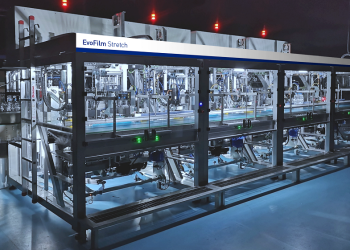
Aduro is currently constructing its Next Generation Process (NGP) Pilot Plant in London, Ontario. Designed to operate under continuous flow conditions, the NGP Pilot Plant will support the evaluation of Hydrochemolytic Technology (HCT) using real-world feedstocks. Its modular and scalable design enables flexibility for project-specific applications across a range of customer needs. Aduro’s participation in the PSRA complements this development by facilitating technical exchange, sample coordination, and closer alignment with evolving industry requirements.

Polystyrene is a widely used plastic with applications in packaging, food service, construction, and electronics. Global production exceeds 40 million tonnes per year, with North America accounting for approximately 3.4 million tonnes. Despite this scale, most post-consumer polystyrene ends up in landfills. According to the Environmental Protection Agency in the United States, less than 6% of polystyrene packaging is recycled. Foam formats like expanded polystyrene (EPS) present particular challenges, with over 3.6 million tonnes of EPS waste generated annually and limited municipal collection.

In Canada, plastic waste totaled approximately 4.4 million tonnes in 2018, with only 8% recycled. Polystyrene recovery rates are especially low—estimated at around 10%—and only 35% of municipalities include EPS in their residential recycling programs, limiting access to recycling services for this material.

https://adurocleantech.com/

#adurocleantech #Modernplasticsindia #Pasticsnews #ModernPlasticsIndiaMagazine
#PrintPublication #Modernplasticsbangladesh

Eco Manufacturing Breakthroughs Take Spotlight at “CarbonX” Week

Eco Manufacturing Breakthroughs Take Spotlight at “CarbonX” Week

From 18 to 25 July 2025, visitors to the Tal X Garden Show in Freudenstadt and Baiersbronn, Germany, explored the world of charcoal and biochar during the “CarbonX” theme week. Arburg participated as a sponsor with an exhibit in the glass pavilion located in the “Xentrum” and hosted engaging presentations under the theme “High-tech meets charcoal burning.”

Arburg Champions Sustainability at “CarbonX” Week in Freudenstadt and Baiersbronn At the heart of the event, an electric Allrounder injection moulding machine produced over 3,500 garden shovels from a sustainable material composed of 50% recycled polypropylene (PP) and 50% biochar—an innovative, CO₂-negative filler developed by Carbonauten. Visitors were able to take the shovels home as practical souvenirs of sustainable manufacturing.

Headquartered nearby in Lossburg, Arburg used the occasion to demonstrate its commitment to the environment and social responsibility. Michael Hehl, Managing Partner, stated at the kick-off event on 19 July: “This week is all about innovation, sustainability, and the power of change. As a global leader, we want to set a strong regional example for environmentally friendly production and business practices.”

Biochar, the highlight of the event, is made from pyrolysed plant waste such as wood chips and damaged wood. Once pulverised and compounded with recycled polymers, it becomes suitable for injection moulding. The material offers a promising route toward carbon-negative manufacturing.

During the panel discussion on 22 July titled “Conversations by the fire. Solving the climate crisis with biochar?”, Arburg application engineer Jonas Bletscher presented the company’s sustainability efforts through its arburgGREENworld programme. He emphasized that Arburg machines can process a wide range of alternative fillers including sunflower seed husks, paper, coffee grounds, and biochar.

Torsten Becker, Managing Director of Carbonauten GmbH, outlined the potential of biochar as a game-changing material in the fight against climate change. The event concluded with a panel discussion that highlighted biochar’s role in reducing CO₂ emissions and supporting circular, low-impact production.

https://www.arburg.com/en/

#arburg #Modernplasticsindia #Pasticsnews #ModernPlasticsIndiaMagazine
#PrintPublication #Modernplasticsbangladesh

Crosses Historic 600 Million Bottle Mark with High Efficiency Aseptic PET Bottling Line

Crosses Historic 600 Million Bottle Mark with High Efficiency Aseptic PET Bottling Line

Sidel and Hauser Weinimport celebrate 15 years after installing Germany’s first Combi Predis for aseptic PET packaging

One of the first producers to employ Sidel’s Combi Predis for aseptic PET packing using unique dry preform sterilization technology was Hauser Weinimport. After more than 15 years of operation, the line has flawlessly produced more than 600 million bottles, providing the producer with operational and product reliability.

Hauser Weinimport is a family-owned business that was established in the 1950s and is headquartered in Bavaria, Germany. Originally producing liqueurs and vermouths, the company today primarily offers non-alcoholic soft drinks and flavor-infused teas in PET bottles under the flagship brands Pacific Wave, Bio Eistee, and Eistee Premium. Hauser is a well-known beverage industry leader and dependable copacker for a variety of brands.

“Hauser Weinimport is always looking at trends and striving for innovation. This is what we found in common with Sidel” said Ms. Mayer, CEO at Hauser Weinimport.

Manufacturing flexibility

The aseptic line, installed by Sidel at its Fischbach plant, offers the beverage producer total flexibility with an ability to fill different tea flavours and the signature Sangria beverage, El Curador. The line can operate at 18,000 bottles per hour in the 0.5L format, as well as handle 1L and 1.5L bottle formats.

“When the thread neck diameter remains unchanged, as it does with many of our products, our highly trained operators can complete product changeovers quickly, minimising system downtime,” comments Florian Kotnig, Head of Production at Hauser Weinimport.

Pioneering aseptic Predis technology

Hauser’s line was the first to utilise Sidel’s patented Predis dry preform sterilisation in Germany which works by using hydrogen peroxide mist to sterilise the preform before it enters the oven to be blown into a bottle; packaging remains aseptic without the need for rinsing with water or any other chemicals.

Thanks to Sidel’s cutting-edge technology, the aseptic line has provided Hauser with guaranteed product quality, ensuring smooth operations and consumer confidence.

“The fundamental advantages of this state-of-the technology include its optimal filling conditions and food safety for our beverages, low operating costs, resource savings and its compact design”, explains Florian Kotnig.

Strong partnership

“From the beginning the system was well thought out, fitting within a compact footprint and designed for durability. Sidel is committed to delivering top-tier support to ensure the reliability of the Aseptic Combi Predis, continuously modernising production with innovations like new bottle formats and converting lines to tethered caps,” adds Florian Kotnig.

“We have enjoyed consistent performance and long-term operational efficiency over the years thanks to Sidel’s comprehensive maintenance services and advanced care systems. Based on preventive planned maintenance, Sidel technicians run regular diagnostic checks on our machinery when in operation and during maintenance, creating reports and measures to ensure the line remains running at peak performance. We can always count on Sidel’s support 24 hours a day, seven days a week, via remote access or by phone.

“Above all, product quality is a must for Hauser and it is with this in mind that we originally installed the aseptic packaging line from Sidel. The close working relationship between Sidel and Hauser contributes to the maximum productivity with minimum operational interruptions.”

https://www.sidel.com/en

#Sidel #Modernplasticsindia #Pasticsnews #ModernPlasticsIndiaMagazine
#PrintPublication #Modernplasticsbangladesh