Home Blog Page 107

Clariant Proudly Celebrates 40 Years of Desiccant Manufacturing and Innovation in Belen, New Mexico, USA

Clariant Proudly Celebrates 40 Years of Desiccant Manufacturing and Innovation in Belen, New Mexico, USA

  • The Belen, NM, USA site opened in 1983 and has been processing responsibly mined bentonite clay into desiccant packets and bags for the past 40 years.
  •  The site has provided innovative solutions for industries such as intermodal transport, packaging, electronics and semiconductors, nutraceuticals and food protection.
  •  Beginning with Desi Pak bentonite clay desiccants, the site has developed other leading brands such as Container Dri II cargo desiccants, Sorb-It silica gel desiccants, Tri-Sorb molecular sieve desiccants and more.

Clariant, a sustainability-focused specialty chemical company, is celebrating the 40th anniversary of the Belen, NM, USA desiccant manufacturing site. Beginning in 1983 with Desi Pak bentonite clay desiccants, the site has developed a range of innovative products for varied industries including intermodal transport, electronics and semiconductors, aerospace and defense, packaging, food protection, apparel and textiles, medical devices, and health and personal care. “This celebration is an opportunity to express our appreciation to our customers, suppliers, employees, and the Valencia County community where the site is located,” comments Ryan Grauer, Head of Sales, Marketing, & Technology, Cargo & Device Protection, Clariant Adsorbents & Additives. “Everything that we have achieved has been the result of our dedicated teamwork and collaboration with our partners. We are grateful to everyone who has contributed to the success of this site.”

Originally established in 1983 as United Desiccants (United Catalysts, Inc., Desiccant Division) by Munich-based Süd-Chemie AG, the Belen site was one of the original tenants of the Rio Grande Industrial Park in Valencia County. Using responsibly mined bentonite from their mine in Arizona, the site has specialized in the processing and packaging of high-grade activated bentonite clay desiccants, which quickly gained wide-spread recognition as a leading solution in military and industrial applications. Shortly after, in 1989, Clariant Cargo & Device business segment North America (then United Desiccants) acquired Humidial Corporation and their Colton, California, site.

As a leading provider and innovator of humidity indicator cards, Humidial offered a valuable complement to the portfolio of desiccants. Today, the combined experience of these companies brings together over 80 years of expertise in the field. The portfolio includes Container Dri II cargo desiccants, Humitector humidity indicators and desiccator plugs, Sorb-It silica gel desiccants, and Tri-Sorb molecular sieve desiccants. Other products include DESVOCANT adsorbents, which offer a solution for controlling the accumulation of volatile organic compounds, and Oxy-Guard oxygen absorbers (scavengers), which minimize oxygen in food packaging to prolong shelf-life and reduce preservative use. Desiccant Cartridges additionally provide moisture protection for containers, cases, and electrical and optical devices.

Earlier in 2023, Clariant launched the latest innovation in the portfolio, Desi Pak ECO, a responsibly mined natural bentonite clay desiccant in a plastic-free, bio-based package. The desiccant packets are specially designed moisture adsorbing solutions focused on sourcing raw materials and transportation packaging with a lower environmental impact. “Our desiccant products are designed for any customer in need of moisture protection for their products,” adds Justin Mueller, Head of Adsorbents Americas. “With our decades of experience and worldwide network of state-of-the-art manufacturing sites and support teams, we are committed to delivering quality, reliability, and sustainability in all of our products.”

www.clariant.com/desiccants

#modernplasticsindia #indianplasticmagazine #modernplasticsaward #plasticnews #modernplasticsgermany #ginujoseph #modernplastic #plasticindia  #plasticrecycling #sustainability #modernplasticsglobalnetwork #modernglobalnetwork #modernplasticsaward2023 #plasticmagazine #PlasticIndustry  #modernplasticsmiddleeast #indianmagazine #innovations #modernplasticsamerica #modernplasticsbangladesh #modernplasticsasia #modernplasticsitaly  #cortecadvertising


Helping To Improve Crop Revenue And Ease Of Harvest With Cooling Diffused Greenhouse Films

Helping To Improve Crop Revenue And Ease Of Harvest, With Cooling Diffused Greenhouse Films

  • Durability
  • Toughness
  • Cooling effect
  • Cost optimization

Challenge:

Heavy rain and wind can limit production of tropical open field crops. While greenhouses protect against weather extremes, conventional films admit too much solar radiation, raising temperatures that limit yields.

Important considerations for greenhouse in tropical climates include:

  • Durability – films need to be able to withstand heavy rains and typhoon winds over multiple crop cycles
  • Solar radiation levels – Light transmission needs to be maintained at levels of between PAR 400 to 700 nm which is important for photosynthesis to take place, while limiting infrared radiation within the greenhouse.
  • Light conditions – sunlight should be filtered and diffused to ensure uniform light distribution inside the greenhouse.

Greenhouse films developed for tropical climates can help to meet these challenges to improve productivity and extend greenhouse life.

Solution:

ExxonMobil, Ampacet, and Vis and Son Company Limited (VSC) worked together to study durable cooling diffused films designed to meet the challenges of tropical greenhouses.

Based in Thailand, VSC is one of the leading companies in the manufacture of polyethylene films and sheets. They produce an extensive range of agricultural films products from greenhouse films to mulch to grow bags.

Ampacet, a global masterbatch producer, specializes in color and additive masterbatches for plastics with a history of agriculture and plasticulture expertise.

The study combined ExxonMobil’s Exceed XP performance polyethylene with Ampacet’s HEATSCREEN 34 cooling additive and VSC’s advanced extrusion technology to produce a 150 µm cooling diffused film that delivers improved durability as well as optimal light and heat transmission properties.

This cooling diffused film was put to the test in an organic watermelon greenhouse in the northern Thai city of Chiang Mai.


These were the observations:

  • Durability – The film structures have shown high retention of the tensile properties under sun exposure for more than 2 years and they continue to be in use. They are also proven to last > 5 years in accelerated aging exposure under WOMS Chamber vs market reference which drops below threshold within 2 years.
  • Toughness – Exceed XP performance polyethylene enables converters to easily fabricate exceptionally tough films with very high dart impact and puncture resistance, and tensile strength at break for high-integrity greenhouse and walk-in tunnel covers.
  • Temperature – with the cooling additive, temperatures inside the greenhouse especially during hot season is seen to be lowered by 2 to 5º C.

In addition, using Exceed XP and Enable performance polyethylene to replace LLDPE/LDPE blends helps converters to reduce the number of resins that need to be sourced hence reducing inventory costs. Additionally, better bubble stability and ease of extrusion further optimizes the solutions and delivers opportunities for potential high output.

Results:

Reduced temperatures – the cooling diffused film helps to reflect infrared radiation (IR) which effectively reduces temperatures inside greenhouse when compared to conventional film by an average of 2-5º C in tropical climates. The new film also helps to provide consistent light transmission which allows better light diffusion (comfortably above 50% levels throughout the 24-month testing period) inside the greenhouse, giving excellent uniformity to crops in terms of shape, size, color, taste, as well as reducing leaf scorching.

Excellent aging performance – the new film helps reduce the risk of premature breakage, extending the growing season. It is compatible with functional additives and antioxidants to retain mechanical properties and high diffusivity (through haze), which are even more critical as the film ages. It also exhibits excellent aging performance for long lasting, durable solutions, proving it can withstand the rigors of installation and extreme weather.

Mr. Montchai and Mrs. Pimwalan, owners of the organic watermelon farm, are very satisfied with the results after replacing the conventional film with the new cooling diffused film for two crop cycles. They said, “Our crop yield has increased after using this film. The average weight of our watermelons increased from 1-2 kg to 3-4 kg with one melon going up to 6 kg. The average harvest time has been reduced and we can now harvest watermelons in 45-50 days compared to 60-70 days previously. With all this, we are especially pleased that our average income per 13m x 30m greenhouse has increased by 35%.”

“Ampacet and VSC have been valuable partners in this project,” said Tan Wee Long, Head of Market Development, ExxonMobil Asia Pacific Pte Ltd. “VSC’s insights of the Thai agricultural industry and their state-of-the-art processes and Ampacet’s advanced portfolio of additives and extensive community outreach were critical to the success of the trial of this film formulation. Through each party’s insight, we hope to improve farmers’ livelihoods.”

Benefits for other crops – The new cooling diffused greenhouse film provides the same benefits for capsicum, cannabis*, sweet pepper, tomato, chrysanthemum flower, and hemp.

#modernplasticsindia #indianplasticmagazine #modernplasticsaward #plasticnews #modernplasticsgermany #ginujoseph #modernplastic #plasticindia  #plasticrecycling #sustainability #modernplasticsglobalnetwork #modernglobalnetwork #modernplasticsaward2023 #plasticmagazine #PlasticIndustry  #modernplasticsmiddleeast #indianmagazine #innovations #modernplasticsamerica #modernplasticsbangladesh #modernplasticsasia #modernplasticsitaly  #cortecadvertising

Covestro Strengthens Sustainability And Competitiveness Of TDI Production

Covestro Strengthens Sustainability And Competitiveness Of TDI Production

  • Double-digit million investment in TDI plant in Dormagen
  • Measures further improve energy efficiency and CO2 footprint
  • Consistent alignment of production with customer needs

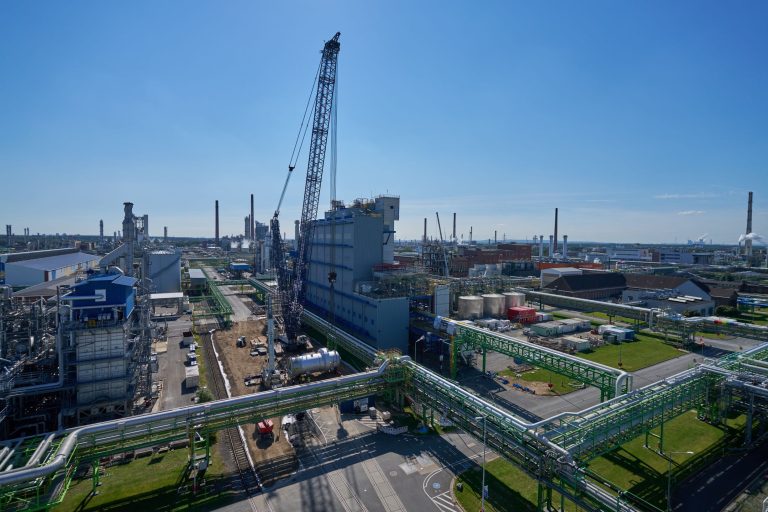
To further strengthen the sustainability and competitiveness of TDI (toluene diisocyanate) production for the manufacture of flexible foams in Europe, Covestro is investing a mid to high double-digit million euro amount in the modernization of its production plant in Dormagen by 2025. The plant was commissioned in early 2015 and is considered one of the most advanced TDI production facilities in the world due to the use of the gas phase technology developed by Covestro. The work will include the installation of a modern reactor that will enable the reaction energy to be used for energy-efficient steam generation in the future.

The modernisation will significantly improve the plant’s energy efficiency and thereby reduce CO2 emissions. After the modernization, the plant will consume up to 80 percent less energy than conventional processes for the production of TDI, and greenhouse gas emissions will be reduced by a further 22,000 tons per year. This not only makes a significant contribution to achieving the company’s climate targets and safeguarding European TDI production in the face of sharply increased energy costs, but also improves the sustainability performance of the customer industries. The first phase of the project has now been successfully completed with the lifting of the equipment into the plant. All further measures will be implemented gradually until spring 2025. This will ensure a continuous supply of TDI to customers.

“We want to continue to grow in Germany and drive forward the transformation to climate-neutral production. Nevertheless, the general conditions, especially the high energy prices, are making it increasingly difficult for us to make such investments,” says Dr. Thorsten Dreier, Member of the Board of Management and Chief Technology Officer at Covestro. “Policy-makers must finally take effective measures to restore Germany’s competitiveness in terms of energy prices and ensure a reliable basis for the climate-neutral transformation of industry.”

 Dormagen as TDI Hub in Europe

The TDI plant in Dormagen has an annual capacity of 300,000 tons. It uses the gas phase technology developed by Covestro, which even before modernization required up to 60 percent less energy and up to 80 percent less solvent than conventional processes. The current investment will significantly increase the efficiency and therefore sustainability of the plant even further. TDI is an important raw material for soft foams, which provide comfort in mattresses and upholstered furniture as well as

To further strengthen the sustainability and competitiveness of TDI (toluene diisocyanate) production for the manufacture of flexible foams in Europe, Covestro is investing a mid to high double-digit million euro amount in the modernization of its production plant in Dormagen by 2025. The plant was commissioned in early 2015 and is considered one of the most advanced TDI production facilities in the world due to the use of the gas phase technology developed by Covestro. The work will include the installation of a modern reactor that will enable the reaction energy to be used for energy-efficient steam generation in the future.

The modernisation will significantly improve the plant’s energy efficiency and thereby reduce CO2 emissions. After the modernization, the plant will consume up to 80 percent less energy than conventional processes for the production of TDI, and greenhouse gas emissions will be reduced by a further 22,000 tons per year. This not only makes a significant contribution to achieving the company’s climate targets and safeguarding European TDI production in the face of sharply increased energy costs, but also improves the sustainability performance of the customer industries. The first phase of the project has now been successfully completed with the lifting of the equipment into the plant. All further measures will be implemented gradually until spring 2025. This will ensure a continuous supply of TDI to customers.

“We want to continue to grow in Germany and drive forward the transformation to climate-neutral production. Nevertheless, the general conditions, especially the high energy prices, are making it increasingly difficult for us to make such investments,” says Dr. Thorsten Dreier, Member of the Board of Management and Chief Technology Officer at Covestro. “Policy-makers must finally take effective measures to restore Germany’s competitiveness in terms of energy prices and ensure a reliable basis for the climate-neutral transformation of industry.”

 Dormagen as TDI hub in Europe

The TDI plant in Dormagen has an annual capacity of 300,000 tons. It uses the gas phase technology developed by Covestro, which even before modernization required up to 60 percent less energy and up to 80 percent less solvent than conventional processes. The current investment will significantly increase the efficiency and therefore sustainability of the plant even further. TDI is an important raw material for soft foams, which provide comfort in mattresses and upholstered furniture as well as car seats, for example. The material will continue to play an important role for Covestro and the processing industries in the future.

“In Dormagen, we maintain the largest production facility for TDI in Europe, which means that the location plays a central role in the reliable supply of our customers in the region. Now we continue to consistently align ourselves with their needs. The investment not only underlines our commitment to the European market, but also enables our customers to further reduce their indirect CO2 emissions on the way to developing climate-neutral and circular products for the consumer markets,” says Dr. Christine Mendoza-Frohn, Head of Performance Materials Sales EMEA and LATAM. “At the same time, this investment also underlines our ambition to play a leading role in climate protection and the circular economy together with our partners along the value chain.”

As a company, Covestro is completely aligning itself with the circular economy. Along the way, the company has set itself the goal of achieving operational climate neutrality by 2035. Increasing the efficiency of existing production processes is an important lever for this. From 2005 to 2020, Covestro was able to reduce its specific energy consumption – i.e. the energy consumption per ton of product manufactured – by about 35 percent. By 2035, the specific primary energy demand of the three NRW sites is to be further reduced by around 25 percent compared to 2020 through targeted energy management. Covestro aims to save around 1,100 GWh of primary energy per year from 2035. This corresponds to the annual consumption of more than 50,000 average German households.* Within the next five years, almost half of this potential is to be realized.

www.covestro.com

#modernplasticsindia #indianplasticmagazine #modernplasticsaward #plasticnews #modernplasticsgermany #ginujoseph #modernplastic #plasticindia  #plasticrecycling #sustainability #modernplasticsglobalnetwork #modernglobalnetwork #modernplasticsaward2023 #plasticmagazine #PlasticIndustry  #modernplasticsmiddleeast #indianmagazine #innovations #modernplasticsamerica #modernplasticsbangladesh #modernplasticsasia #modernplasticsitaly  #cortecadvertising

Plastfocus 2024 – The Premier Confluence Of The Plastics Industry Set To Kick Off On February 1st, 2024

0

Plastfocus 2024 – The Premier Confluence Of The Plastics Industry Set To Kick Off On February 1st, 2024

PlastFocus 2024, India’s premier expo of the plastics industry is set to begin on February 1, 2024, at Yashobhoomi (IICC), Dwarka, New Delhi. The event has over 1200 stalls with exhibitors from around the world participating. 

PlastFocus 2024, heralded as the most significant event for the plastics industry, is poised to kick off on February 1st, 2024. Being held at the world-class, expansive YASHOBHOOMI (IICC), Dwarka, New Delhi, the entire 1,00,000 sq. mts. exhibition space has been booked to capacity, marking it as the largest gathering in the industry’s history. Scheduled from 1st to 5th February, PlastFocus 2024 – an Evolved Plastics Exhibition for the best plastics manufacturing technologies is gearing up to be the nucleus where the entire plastics industry converges for five days of innovation and collaboration.

Organised by Triune Exhibitors Pvt. Ltd. and powered by the Plastic Machinery Manufacturers Association of India (PMMAI), PlastFocus 2024 is supported by the Ministry of Chemicals and Fertilizers and the Ministry of Heavy Industries, Govt. of India.India, a pivotal force in global plastics production, houses over 20,000 processing units, solidifying its status as a multi-billion dollar industry. This sector not only significantly contributes to India’s economy but also employs approximately four million people, underscoring its socio-economic importance. Additionally, India stands as a major global supplier, exporting 1.5 million metric tons of polymers in 2021.

In the context of such a dynamic industry, events like PlastFocus 2024 play a crucial role in shaping its trajectory. As India’s plastic consumption has surged 23-fold to 21 million tons between 1990 and 2021, an event like PlastFocus becomes a pivotal global platform to showcase innovations and technologies propelling the industry forward amid projections of substantial growth in the coming decades. The event aligns with the government’s vision to position India as a global manufacturing hub for plastics.

Bringing the Industry Together

Cyril Pereira, Managing Director of Triune Exhibitors Pvt. Ltd., sheds light on the event’s uniqueness, stating, “We have developed an App specifically for Plastfocus that not only provides all data about the Expo to the visitors and Exhibitors but also has an innovative matchmaking feature that will distinctively connect genuine buyers with suitable sellers.  Besides over 250 live machines on display and from raw materials to polymers, molds, and dyes, every aspect of the production chain will be represented, providing attendees with a comprehensive view of the industry’s capabilities.” 

Covering a massive 100,000 sqm area, the event boasts over 1200 stalls and exhibitors from India and abroad including 50 foreign exhibitors from 18 countries and the expected visitor footfall of over 2 lakh. Some of the prominent exhibitors participating in Plastfocus 2024 are Mamata Machinery, Rajoo Engineers, Windsor Machines, Milacron, Pelican, JP Extrusion, Shibaura Machines, and Neelgiri Machines among others.

Tushar Parikh, Chairman of the Plastics Machinery Manufacturers Association of India (PMMAI), enthusiastically envisions the event, stating, “PlastFocus 2024 is set to present cutting-edge technology through live machines, allowing attendees to witness these innovations in action. It’s an opportunity to discern the distinctions between machines manufactured in India and their global counterparts.”

Focusing on Sustainability – Recycling Pavilion

What sets this Expo apart is its dedicated focus on sustainability, emphasizing the industry’s commitment to environmental responsibility. Attendees can explore a myriad of initiatives, including a recycling pavilion with state-of-the-art machinery, and innovative solutions aimed at minimizing the environmental footprint of plastics.

https://www.plastfocus.org/

https://pmmai.org/

#modernplasticsindia #indianplasticmagazine #modernplasticsaward #plasticnews #modernplasticsgermany #ginujoseph #modernplastic #plasticindia  #plasticrecycling #sustainability #modernplasticsglobalnetwork #modernglobalnetwork #modernplasticsaward2023 #plasticmagazine #PlasticIndustry  #modernplasticsmiddleeast #indianmagazine #innovations #modernplasticsamerica #modernplasticsbangladesh #modernplasticsasia #modernplasticsitaly  #cortecadvertising

An Exclusive Interview with Mr. D. M. Sheregar, President of TAGAMA, with Modern Plastics India (MPI) magazine a Part of Modern Plastics Global Network

0

An Exclusive Interview with Mr. D. M. Sheregar, President of TAGAMA, with Modern Plastics India (MPI) magazine a Part of Modern Plastics Global Network

To start, could you share your insights on the currenttrends in the Indian automotive industry and their impact on the tooling sector?
The Indian automotive industry is undergoing a transformative phase. One notable trend is the increasing focus on localization, which presents significant opportunities for Indian component manufacturers and toolmakers. This trend fosters collaboration and business growth within the industry.

Another pivotal shift is the rise of electric vehicles (Evs). As the world moves towards sustainable transportation, India is following suit. This shift presents challenges for some segments, but it also brings forth tremendous opportunities, especially in engineering plastics and battery-related components, which are integral to Evs.

Frequent facelifts and new product launches in the automotive market are driving the demand for advanced tooling solutions. Toolmakers play a crucial role in providing the necessary tools for manufacturing these intricate components, contributing to the industry’s growth.

How do you foresee the impact of the emergence of electric vehicles on the toolmakers’ business?
The emergence of electric vehicles is a game- changer for the tooling industry. While traditiona lengine and powertrain component manufacturers may experience some impact, the shift to EVs creates new avenues for toolmakers. There’s a growing demand for components made from advanced engineering plastics, such as interior components, body panels, and structural elements.

Moreover, the battery technology in EVs presents another strategic opportunity for toolmakers. Tools required for the production of battery-related components and housings are expected to witness a surge in demand. This necessitates toolmakers to adapt and diversify their offerings to cater to the evolving needs of the automotive industry.

In essence, while the emergence of EVs may pose challenges for certain segments, it simultaneously opens up new and lucrative opportunities for toolmakers, particularly in the realms of engineering plastics and battery-related components.

How crucial is the automotive industry for toolmakers, both globally and within the Indian context?
The automotive industry holds paramount importance for toolmakers on a global scale, and particularly in India, it stands as one of the most significant customers for the tooling industry. I would estimate that more than 60% of the tooling business is directly associated with the automotive sector.

The intricate and precise components required by the automotive sector necessitate advanced tooling capabilities. As the automotive industry continues to evolve, toolmakers are presented with continuous opportunities for innovation and growth. The symbiotic relationship between the automotive industr y and toolmakers underscores the significance of this sector in shaping the trajectory of the tooling industry.


Can you provide an overview of the present state of the Indian tooling industry?
The present state of the Indian tooling industry is notably optimistic, marking an advantageous period for toolmakers across the country. While the automotive sector remains a substantial contributor to the tooling industry, other diverse sectors such as aerospace, packaging, medical, defence, electronics, and white goods are actively generating s ignificant business for toolmakers.

Post-pandemic, both the global and Indian tooling industries have demonstrated resilience and sustained growth. In 2021, the global tool room industry reached a valuation of USD 80 billion, underscoring the industry’s robust health. Specifically, the Indian tool room industry’s estimated market size currently stands at approximately INR 23,600 crore.

It’s noteworthy that around 34% of the tooling demand in India is met through imports, with a predominant share – about 80%—sourced from key nations such as China, South Korea, Japan, and Taiwan. On the flip side, India contributes to the global tooling market by exporting approximately 15% of its tooling production, with primary destinations being the USA, Spain, Mexico, and Germany.

Within the domestic landscape, Commercial Tool Rooms (CTRs) have experienced a commendable growth rate of approximately 8.1%, showcasing the industry’s vitality. Captive Tool Rooms have also contributed to the growth trajectory with a growth rate of approximately 1.5%, underscoring the dynamic nature of the Indian tooling ecosystem.

What challenges do Indian toolmakers face in the current landscape?
Indian toolmakers encounter a spectrum of challenges outlined in a recent report. Some of the prominent hurdles include:
•Lack of Capital Funding: While global tool rooms benefit from better access to capital funding, Indian counterparts face challenges in securing easy financing and subsidized loans, impacting their capacity to invest in advanced tooling technology.

•Lack of Industry-Ready Tool Room Courses: Training programs in Indian Tool Room Training Centers (TRTC) often focus on fundamental machining and mould assembly. However, students often lack hands- on experience with advanced machinery, leaving them less industry-ready for the demands of the field.

•High Cost of Financing: Expanding into new sectors like aerospace and medical equipment manufacturing is hindered by the high cost of precision equipment acquisition. The expense associated with procuring advanced tooling machinery, equipment, and software for precision tools and moulds poses a significant challenge.

•Lack of Outsourcing Ecosystem: The dispersed presence of tooling suppliers in India contributes to a low level of collaboration. In contrast, overseas tool rooms strategically position themselves close to design and manufacturing facilities, creating an ecosystem conducive to large- scale subcontracting.
•Issues Related to Concurrent Engineering: The outsourcing dynamic often leads to a gap in concurrent engineering. Tool rooms receive projects post the design phase, missing out on valuable input in terms of viability during the design process. Consequently, the design for manufacturability shared with tool rooms may require multiple revisions.
Addressing these challenges will be pivotal in enhancing the competitiveness and capabilities of Indian toolmakers, fostering a more conducive environment for growth and innovation in the industry.

With Die & Mould India 2024 on the horizon, what are your expectations from this exhibition?
Our expectations from the Die & Mould India 2024 exhibition are substantial. As the largest exhibition dedicated to the tool and die- making industry in India, we anticipate several key outcomes:

•Anticipating a Strong Turnout: As India’s premier exhibition for the tool and die-making industry, we expect a robust attendance, drawing professionals and enthusiasts from various corners of the industry.

•Showcasing Cutting-Edge Technologies: Foreseeing impressive displays from machine tool companies, showcasing the latest advancements and technologies in the field, enriching the experience for all attendees.

•Exploring Tool Steel Innovations: With numerous tool steel exhibitors in attendance, we are eager to witness and explore the latest developments and innovations in the realm of tool steel.

•Engaging with OEMs and User Industries: Our concerted efforts in reaching out to a broad audience aim to attract OEMs and professionals from user industries, fostering meaningful interactions and collaborations.

•Expecting Record-Breaking Scale: With optimism, we believe that the Die & Mould India show will surpass previous editions, making it the most significant gathering in the history of the event.

•A Call to Industry Professionals: Through your media channel, we extend an earnest invitation to industr y professionals to participate actively, learn about the latest industry trends, engage with like-minded professionals, and collectively contribute to making the event an outstanding success. The more involvement we have, the greater the impact on shaping the future of the tool and die-making industry in India.

That sounds l ike an exciting and promising outlook for Die & Mould India 2024. Could you elaborate on how such events contribute to the industry’s growth and innovation?
Events like Die & Mould India play a pivotal role in fostering growth and innovation within the tooling and moulding industry. Firstly, they provide a platform for industry professionals to come together, exchange ideas, and form valuable collaborations. The networking opportunities at these events often lead to new business partnerships, driving the industry forward.

Secondly, exhibitions like Die & Mould India serve as a showcase for cutting-edge technologies. Machine tool companies and exhibitors use these platforms to display the latest advancements and innovations in the field. This exposure not only educates professionals about new possibilities but also inspires innovation within the industry itself. Moreover, events of this scale draw attention from OEMs and user industries. Engaging with these entities fosters a better under s tanding of their needs and requirements, allowing toolmakers to tailor their offerings to meet industry demands effectively. In essence, these exhibitions become a melting pot of ideas, innovations, and collaborations that contribute significantly to the growth and evolution of the tooling and moulding industr y.

As we conclude, do you have any final thoughts or messages for the industry professionals and enthusiasts looking forward to Die & Mould India 2024?
To all industry professionals and enthusiasts, I extend a warm invitation to actively participate in Die & Mould India 2024. This exhibition is not just a gathering; it’s a platform for collective learning, networking, and contributing to the future of the tool and die-making industry in India.

Explore the latest technologies, engage in meaningful conversations, and be a part of the vibrant community that drives innovation and growth. Your involvement is integral to the success of the event and, more importantly, to shaping the trajectory of our industry. Let’s make Die and Mould India 2024 a resounding success together.

www.tagmaindia.org 

https://www.plastfocus.org/

https://www.diemouldindia.org/

#modernplasticsindia #indianplasticmagazine #modernplasticsaward #plasticnews #modernplasticsgermany #ginujoseph #modernplastic #plasticindia  #plasticrecycling #sustainability #modernplasticsglobalnetwork #modernglobalnetwork #modernplasticsaward2023 #plasticmagazine #PlasticIndustry  #modernplasticsmiddleeast #indianmagazine #innovations #modernplasticsamerica #modernplasticsbangladesh #modernplasticsasia #modernplasticsitaly  #cortecadvertising

An Exclusive Interview with Mr. Cyril Pereira of Managing Director, Triune Exhibitors Pvt. Ltd., Organizers of PlastFocus 2024 Powered by PMMAI in a Face2Face with Mr. Ginu Joseph, Modern Plastics India, a Part of Modern Plastics Global Network

An Exclusive Interview with Mr. Cyril Pereira of Managing Director, Triune Exhibitors Pvt. Ltd., Organizers of PlastFocus 2024 Powered by PMMAI in a Face2Face with Mr. Ginu Joseph, Modern Plastics India, a Part of Modern Plastics Global Network

PlastFocus 2024, organized by Triune Exhibitors Pvt. Ltd., and powered by PMMAI promises to be an evolved plastics exhibition, showcasing the best in plastics manufacturing technologies. After the resounding success in February 2019, this event aims to bring together plastics machinery manufacturers and dealers from across the globe to explore the latest developments in the industry. In an exclusive interview, we sit down with Mr. Cyril Pereira, Managing Director of Triune, to gain insights into the event and its significance in the plastics industry.
Can you tell us about the vision behind PlastFocus 2024 and what sets it apart from other plastics exhibitions?
PlastFocus 2024 is driven by the vision to provide a platform where the global plastics community can converge to witness and engage with cutting-edge technologies in plastics manufacturing.

What sets it apart is our commitment to evolution – we aim to showcase the future of the plastics industry. The event isn’t just about products; it’s about the ideas, innovations, and collaborations that will shape the industry in the years to come. India has emerged as a global hub for plastics manufacturing. How does PlastFocus 2024 contribute to this prominence, and what opportunities does it offer to participants? India’s rapid growth in plastics manufacturing demands a platform like PlastFocus 2024. By bringing together key figures, decision-makers, and industry professionals, the event provides a unique opportunity for participants to explore growth avenues, stay updated on industry development s , and forge valuable connections. The exhibition serves as a catalyst for participants to tap into the potential of the Indian market and identify new export destinations.

The exhibitor categories at PlastFocus 2024 cover a wide spectrum, from machinery and automation to recycling and green solutions. How do these categories reflect the comprehensive nature of the plastics industry?  The diverse exhibitor categories mirror the multifaceted nature of the plastics industry. From machinery and automation, raw materials, and packaging to emerging technologies and recycling solutions – PlastFocus 2024 aims to encompass every aspect of plastics manufacturing. This inclusivity ensures that participants gain insights into the entire value chain, fostering collaboration and innovation across various segments. PlastFocus 2024 is set to host 1,260 exhibitors and attract 180,000 visitors from 27 countries.

What can participants expect from this international gathering, and how does it contribute to fostering global collaborations? The sheer scale of participation reflects the global significance of PlastFocus 2024. Participants can expect a vibrant exchange of ide as, technologies , and business opportunities. The international presence allows for cross-border collaborations, knowledge sharing, and the exploration of diverse market dynamics. It’s not just an exhibition; it’s a melting pot of global expertise contributing to the evolution of the plastics industry.

https://www.triuneexhibitors.com/

https://www.plastfocus.org/

#modernplasticsindia #indianplasticmagazine #modernplasticsaward #plasticnews #modernplasticsgermany #ginujoseph #modernplastic #plasticindia  #plasticrecycling #sustainability #modernplasticsglobalnetwork #modernglobalnetwork #modernplasticsaward2023 #plasticmagazine #PlasticIndustry  #modernplasticsmiddleeast #indianmagazine #innovations #modernplasticsamerica #modernplasticsbangladesh #modernplasticsasia #modernplasticsitaly  #cortecadvertising

Loacker Recycling: Efficient Cable Recycling with Lindner’s Polaris 2800

Loacker Recycling: Efficient Cable Recycling with Lindner’s Polaris 2800

Spittal/Drau (Austria), January 2024. Loacker Recycling based in Wonfurt, Germany, is part of the Loacker Recycling GmbH family business headquartered in Götzis, Austria, and specialises in waste cable recycling. Thanks to the recycling concept developed in-house, the company can achieve the highest possible copper recovery at low processing costs. The company trusts in Lindner’s recycling expertise and uses a Polaris 2800 with rotor cooling.

The Loacker Group, based in Götzis, Vorarlberg (Austria), has been dedicated to collecting, sorting and processing valuable materials for over 100 years and is motivated by one thought: The best for the world of tomorrow. Family-owned for five generations, the group consists of a total of 25 companies and operates 47 sites in eight countries. The recycling plant in Wonfurt has been recovering end-of-life cables for decades. These mostly come from the DACH region and are largely collected within the Loacker Group and delivered to Wonfurt for processing. The focus is on extracting pure materials to maximise the recyclables recovery.Matthias Köhler has been Managing Director at the Winford site since 2012. In recent years, a great deal of energy and expertise has been invested in expanding the recycling plant to achieve the best possible recycling results using the latest technology. In a three-shift operation, up to 100 tonnes of end-of-life cables are transformed into valuable recyclable materials every day. ‘We mainly recover copper from old cables, around 40 to 45 tonnes a day, but also PVC and ferrous metals. While the copper is turned into copper sheets in copper smelters, we deliver the PVC to a company located on site. There, the plastics are turned into barrier products. Ferrous metals are sent for metal processing. The way our plant is equipped, we achieve a particularly high degree of purity. That’s what makes us unique and gives us the ability to return almost 100% of the recycled material back into the cycle,’ explains Matthias Köhler.

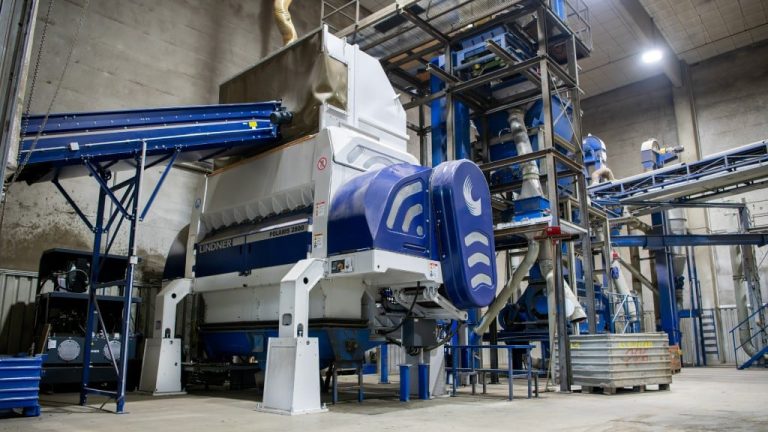
The Lindner Polaris 2800 with rotor cooling has been part of the plant at Loacker in Wonfurt since July 2023 and shreds copper cables to a final output size of <15 mm. ‘We are more than happy with the throughput rate and are particularly pleased that the shredder handles non-shreddables with ease, which do show up from time to time,’ says Köhler happily. In buying a Polaris, a conscious decision was also made in favour of the screwable and quadruple-use blade cutting system. ‘We change the knives every seven to eight days, which is extremely easy thanks to the screwable system. It is also easy to access the rotor, knives and knife holders,’ says Matthias Köhler.

‘Furthermore, the Polaris 2800 has the necessary drive power. Equipped with a countershaft drive and flywheel energy storage, the machine makes light work of shredding even difficult materials such as end-of-life cables with a high content of copper wire. The consistent throughput rate and high uptimes speak for themselves,’ states Jan Rosenmeyer, Sales Manager at Lindner.

‘We are extremely happy with the Polaris and would choose a Lindner shredder again. Output, rotor cooling and ease of maintenance convinced us. Using a Lindner, you also realise that the company has decades of experience in shredding technology. The overall package is just right,’ adds Köhler.

About Lindner, Spittal an der Drau/Austria | MAKE THE MOST OF WASTE.
The Lindner family business has been offering innovative, tried-and-tested shredding solutions for over 75 years. At its production facilities in Spittal/Drau and Feistritz/Drau in Austria, Lindner manufactures using state-of-the-art production machinery shredders, system components and spare parts that are exported to almost one hundred countries. In addition to stationary and mobile shredders for waste recovery, the portfolio also includes complete systems for plastics recycling, SRF/RDF and waste wood processing. The shredders can be used among other things for municipal solid waste, commercial and industrial waste, waste wood, plastics, packaging material, paper and light scrap. Besides its headquarters in Spittal/Drau and a second production site in Feistritz/Drau, Lindner is also present in Germany, France, the USA and Asia with a total of five sales locations and service hubs.
www.lindner.com


#modernplasticsindia #indianplasticmagazine #modernplasticsaward #plasticnews #modernplasticsgermany #ginujoseph #modernplastic #plasticindia  #plasticrecycling #sustainability #modernplasticsglobalnetwork #modernglobalnetwork #modernplasticsaward2023 #plasticmagazine #PlasticIndustry  #modernplasticsmiddleeast #indianmagazine #innovations #modernplasticsamerica #modernplasticsbangladesh #modernplasticsasia #modernplasticsitaly  #cortecadvertising



Packaging Specialist ALPLA Is Investing In Morocco And Planning Expansion

Packaging Specialist ALPLA Is Investing In Morocco And Planning Expansion

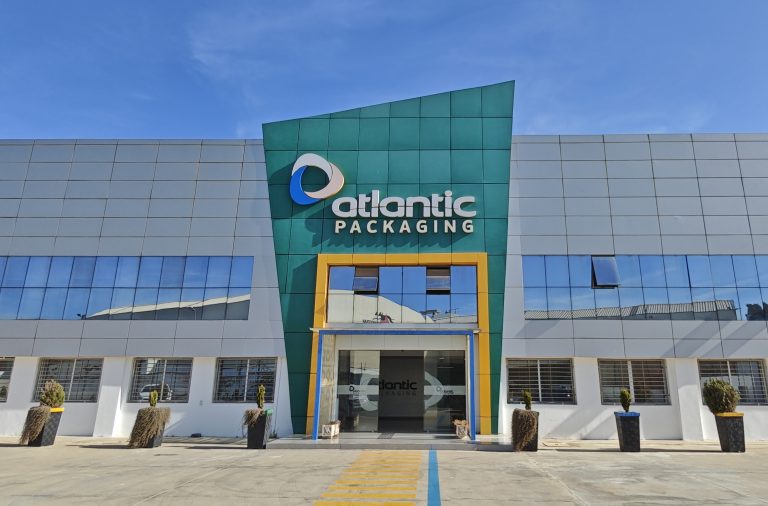
The internationally active ALPLA Group is expanding its presence in North Africa with its market entry in Morocco and setting the course for growth in the Maghreb. The plastic packaging specialist has acquired a majority stake in the packaging producer Atlantic Packaging and founded the joint venture ALPLA Morocco with the previous sole owner Diana Holding. In addition to PET preforms for the beverage industry, plastic pallets and films are produced at the plant in Tangier. Preform production has recently been tripled through investments in new machinery.

In its ongoing international expansion efforts, ALPLA now also provides safe, affordable and sustainable plastic packaging solutions in Morocco. By acquiring a majority stake in the packaging company Atlantic Packaging and establishing a joint venture with the previous sole owner Diana Holding, ALPLA is contributing its expertise and experience to the production of PET preforms for the regional markets in the Maghreb and for Western Africa. In addition to preforms, ALPLA Morocco also produces plastic pallets by injection moulding and packaging films by extrusion at its modern plant in Tangier. Currently, 32 people are employed at the site.

ALPLA Morocco’s preform capacity has already been tripled in 2023 by two additional preform production lines. In the coming years, ALPLA is committed to increasing the portfolio of the Moroccan site through further local activities, potentially including bottle and closure production. This initiative aims to establish the groundwork for growth and sustainable packaging solutions in the North Western African Region.

Strategic partnership

‘Together with our strategic partner Diana Holding, we want to exploit the enormous potential of the regional markets, open up new segments and contribute our expertise as a global system provider for preforms, bottles and closures,’ explains Christian Fessler, Managing Director Middle East and North Africa at ALPLA.

In addition to its packaging subsidiary, Diana Holding is primarily active in the agro-industrial sector. Through this joint venture, the family-run group is strengthening its packaging division, which was founded in 2007, by capitalising on its substantial bottling experience garnered over nearly 50 years as the former Coca-Cola Company bottler in the northern region of Morocco.

‘Our joint vision is to be one of the leading suppliers of high-quality plastic packaging in Morocco and for Western Africa, and to offer innovative solutions. We created Atlantic Packaging with the vision of expanding its capacity through a strategic partnership. In ALPLA, which puts a great emphasis on the three P’s: People, Planet, Profit, we have found the ideal partner for this project, enabling the creation of further synergies,’ says Rita Maria Zniber, CEO of Diana Holding.

Production capacity tripled

The approximately 12,000 square metre plant in the free trade zone of Tangier is to be expanded in stages over the coming years. More than 20,000 square metres of space is available for future expansion. In the first stage, ALPLA Morocco has tripled its production capacity from the current 100 million preforms to around 300 million units per year. To this end, the company is investing in two new PET preform production lines.

‘Through the location in Morocco, we can supply our global customers in northern Africa with the usual quality and flexibility, gain new business partners and expand our portfolio to include new areas. At the same time, we are creating new jobs by expanding our production volume,’ says Javier Delgado, ALPLA Regional Managing Director Africa, Middle East and Turkey.

In addition to the know-how for the development and production of resource-saving plastic packaging made of recycled material, ALPLA Morocco is looking ahead to leverage its capabilities as a system provider and to introduce new technologies in the future. ‘By manufacturing bottles, preforms and closures, as we already do in South Africa and Angola, we provide customers with successful products and sustainable solutions from a single source, giving them a market advantage,’ says Delgado.

The joint venture was signed by the contracting parties on 31 August 2023, and approved by the local antitrust authorities. The parties have agreed not to disclose the terms and conditions.

www.alpla.com

#modernplasticsindia #indianplasticmagazine #modernplasticsaward #plasticnews #modernplasticsgermany #ginujoseph #modernplastic #plasticindia  #plasticrecycling #sustainability #modernplasticsglobalnetwork #modernglobalnetwork #modernplasticsaward2023 #plasticmagazine #PlasticIndustry  #modernplasticsmiddleeast #indianmagazine #innovations #modernplasticsamerica #modernplasticsbangladesh #modernplasticsasia #modernplasticsitaly  #cortecadvertising


Light And Sound Management Through The Use Of Next Generation Photo-Chemical Etching

Light And Sound Management Through The Use Of Next Generation Photo-Chemical Etching

This article looks at the unique characteristics of photo-chemical etching (PCE) and how it allows for the production of very thin filters with variable hole geometries that can be varied within a single pattern. This allows its creative use in the management of light and sound in a variety of applications.

 LIGHT MANAGEMENT 

Light transmission and attenuation, especially angle-dependent, can be difficult to manage depending on the size limitations and space constraints available. The unique characteristics of PCE — enhanced by micrometal  allow for the production of very thin metal panels that can transmit, attenuate, block, and even focus or re-direct light depending upon incoming angle.  All with no moving parts or power requirements. Light transmission of up to 90%, and near-complete attenuation can be achieved in the same panel, and creative design options can enable unique manipulation of light.

Thin filters with holes of varying angles, shapes, and patterns, crafted through PCE offer innovative solutions for advanced light management. The ability to design holes with multiple geometries and angles within a single pattern or array on a panel enables the manipulation of light in complex and highly specific ways. For example, varying hole angles can influence the directionality of light, allowing for beams to be blocked, refracted or reflected in targeted directions. Different hole shapes and patterns can control the intensity, diffusion, and spread of the transmitted light. A great example is lamination of these types of panels on top of or within window glass, where sunlight can be blocked at peak times of day and allowed to pass at others, minimizing heating and cooling costs.

When these filters are applied in optical systems, displays, or advanced lighting setups, they can provide tailored illumination profiles, precise beam shaping, and controlled light dispersion. The ability to have diverse hole shapes and angles within one pattern can also be critical in applications like spectrometry, where light must be separated into its constituent wavelengths in specific patterns.

PCE is a superior technology choice for producing such intricate filters due to its unmatched precision and adaptability. Unlike mechanical methods, which can struggle with maintaining accuracy over complex patterns, PCE uses a chemical process that can faithfully reproduce even the most intricate designs without inducing mechanical stress or deformation. The process is also burr-free, ensuring that the edges of the holes are clean, which is crucial for precise light management. Furthermore, PCE can handle diverse metals, granting designers the flexibility to select materials based on their individual mechanical properties. The combination of precise design replication, clean etching results, and versatility in material selection makes PCE the go-to choice for creating high transmission thin wall filters with multifaceted hole configurations for sophisticated light management applications.

Such thin wall filters with intricate hole geometries can be employed to create light patterns on surfaces or to produce visual effects. When sunlight or artificial light sources pass through these filters, the variable angles, shapes, and patterns of the holes dictate how the light will be dispersed or concentrated upon emerging from the filter. This results in myriad possible patterns or effects on the receiving surface, ranging from focused beams to intricate shadows or diffused light gradients. The diversity of hole designs within a single filter can further enrich the resultant patterns, enabling the creation of complex and dynamic visual experiences. Such capabilities can be advantageous in architectural designs for decorative illumination, in theatrical productions for mood lighting, or even in commercial spaces where unique lighting can enhance branding or ambiance. The precision and customization offered by these filters make them powerful tools in the hands of designers and artists looking to harness light in novel and impactful ways.

Closely spaced precision holes in filters, crafted through techniques like PCE can also serve as locators or guides for micro light sources in high-resolution displays. Such configurations can be instrumental in microLED or miniLED display technologies where individual tiny LEDs act as the pixels. By aligning each microLED with the precisely etched holes, designers can ensure uniformity in light emission, optimize pixel density, and achieve superior control over each light source. This precision alignment becomes particularly critical in high-resolution displays where the spacing and consistency of micro light sources directly influence the display’s clarity, colour accuracy, and overall performance. In essence, filters with closely spaced holes can act as templates or frameworks, facilitating the meticulous arrangement of micro light sources required in cutting-edge display technologies.

Finally, the fact that our next generation PCE process can also process thin sheet metal materials offer distinctive advantages when fashioned into filters for light management. Their inherent flexibility and minimal thickness allow these filters to seamlessly adhere to curved surfaces, expanding the scope of their applications. In scenarios like automotive displays, wearable technology, or architectural lighting, the ability to conform to non-linear and intricate designs is invaluable. Beyond aesthetic considerations, the slim profile of these materials ensures that they occupy minimal space, making them particularly suited for compact devices or installations where bulkiness could compromise functionality or design integrity.

SOUND MANAGEMENT

OK, we heard you. What about managing sound?

Thinking this through, we certainly believe filters crafted with precise holes and patterns, similar to those discussed for light management, can also find utility in acoustic applications.  When applied to sound waves, these filters can act as acoustic meta-surfaces or diffusers, selectively attenuating or redirecting sound from specific angles.

The intricacy of the hole patterns can influence the manner in which sound waves interact with the filter, allowing for the manipulation of acoustic wavefronts. By strategically designing these filters, it becomes feasible to sculpt the acoustic landscape, isolating or emphasizing sounds from particular directions or frequencies. Such capabilities can be pivotal in environments that demand precise acoustic control, be it in sound studios, concert halls, or noise-sensitive industrial settings. Thus, while primarily conceptualized for light, the versatile design principles behind these filters can be innovatively repurposed for sound modulation.

It is also possible that thin filters with meticulously crafted hole geometries and through-angles could also have a pronounced effect on sound wave propagation, particularly in distinguishing between different frequencies. Depending on the size, shape, and orientation of the holes, these filters could act as selective barriers, allowing specific frequencies to pass while attenuating others. For instance, larger hole dimensions might permit lower frequencies to pass, whereas intricate or smaller hole geometries might deflect or attenuate them. Conversely, higher frequencies, with their shorter wavelengths, could either be allowed to pass or be attenuated based on the designed hole characteristics. The through-angle, or the orientation of the holes, could further influence the directionality of both incoming and outgoing sound waves, enabling the redirection of specific frequencies. This frequency-selective behaviour, achieved through tailored filter designs, could be invaluable in applications such as acoustic engineering, speaker design, and noise control, offering a nuanced approach to sound management.

Indeed, thinking outside the box, for acoustic applications, high transmission thin wall filters could be discreetly mounted behind other surfaces, rendering them invisible to the observer while still effectively managing sound propagation. By placing these filters behind wall panels, ceilings, or other architectural elements, their presence could be seamlessly integrated without affecting the aesthetic design of a space. Despite being concealed, the precision-engineered holes and through-angles of the filters can actively influence sound wave interactions, attenuating certain frequencies, redirecting sound waves, or enhancing specific acoustic characteristics. This hidden integration not only maintains the visual integrity of a space but also provides an innovative solution to achieve desired acoustic outcomes without compromising on design aesthetics. Such an approach could be especially valuable in environments like theatres, conference rooms, or residential settings, where both acoustic performance and design elegance are paramount.

Maybe as with light management we have stimulated some ideas where our PCE process could be used to control acoustics. We would be happy to hear what you have to say, and work with you to discover a solution.

www.micrometal.de

#modernplasticsindia #indianplasticmagazine #modernplasticsaward #plasticnews #modernplasticsgermany #ginujoseph #modernplastic #plasticindia  #plasticrecycling #sustainability #modernplasticsglobalnetwork #modernglobalnetwork #modernplasticsaward2023 #plasticmagazine #PlasticIndustry  #modernplasticsmiddleeast #indianmagazine #innovations #modernplasticsamerica #modernplasticsbangladesh #modernplasticsasia #modernplasticsitaly

Rivelin Prepares To Bang The Drum For Truly Automated & Intelligent Metal Am Post-Processing At Formnext 2023

Rivelin Prepares To Bang The Drum For Truly Automated & Intelligent Metal Am Post-Processing At Formnext 2023

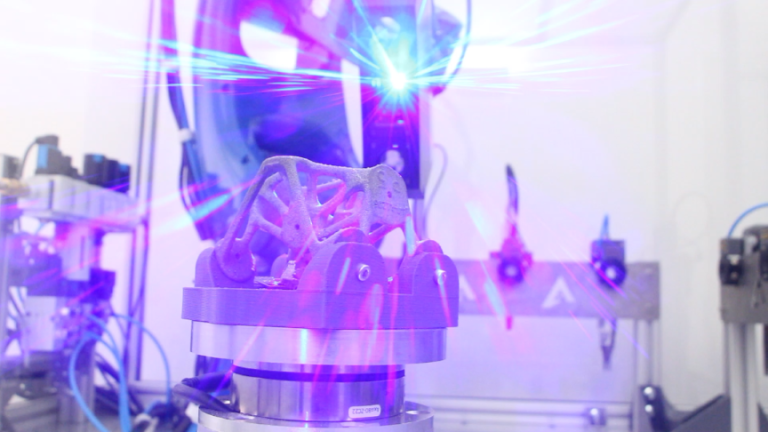
Final preparations are taking place for Formnext 2023 at Rivelin Robotics for what is set to be an exciting event for the company and the AM sector in general. In Hall 12 on stand E41, Rivelin will be showcasing its Netshape robots for the fully automated post-processing of metal AM parts, and as such finds itself at the centre of the most dynamic area of AM, the streamlining and automation of the entire AM process chain.

With AM now being adopted more and more as a production technology, all links in the AM process chain are being scrutinised, with the focus on speed, cost-effectiveness, efficiency and accuracy. Nowhere is this more obvious than in the area of metal AM post-processing, which has been predominantly a manual job, with all this implies in respect of cost, time, safety issues, and lack of repeatability. Rivelin stands at the vanguard of innovative solutions to bring metal AM post-processing form the analogue age into the digital age.

Robert Bush, CEO at Rivelin says, “It is fair to say, standing at the epicentre of the revolution that is taking place as AM works to become a fully automated production technology, that we are acutely sensitive to the chatter going on in the sector, chatter that we feel will dominate Formnext 2023. The AM sector stands on the cusp of unprecedented growth and potential, but to fully realise this promise, the integration of fully automated post-processing technologies for metal AM like the ones Rivelin has developed is non-negotiable. As AM scales up to meet the demands of a whole range of industries, the post-processing phase — which includes tasks like support removal and surface finishing — becomes a bottleneck, causing inefficiencies in production timelines and compromising on part consistency. Automated post-processing not only streamlines workflows, enhancing throughput and reducing lead times, but also ensures repeatability, consistent quality, and lowers operational costs, making it the linchpin for the AM sector’s transition from prototyping to full-scale production.”

Rivelin produces various metal AM post-processing cells, including the NS0, the NS1 and the NS2, each of which contains robots from partner Yaskawa Europe, which are controlled by Rivelin’s Netshape software. Visitors at the show will be able to see an example of the cells which are effectively enclosed micro-factories that combine an industrial Yaskawa robot equipped with an array of tools, state-of-the-art sensors and processes to ensure dexterity and driven by the powerful NetShape control software that the company has developed. The intelligent software uses both machine learning and traditional deterministic control theory to optimise the quality and repeatability of support removal and finishing. The result is an automated support removal and finishing solution that reduces defects in parts by up to 90%, results in a significant reduction in operational costs, and elimination of human risk and variability.

Bush concludes, “We invite all Formnext attendees to come and see us at the show. Not only are we exhibiting our Netshape robots, but we are also showing a working full scale concept of a solution for the depowdering of internal channels and cavities which is being developed in partnership with leading innovator in this space, Solukon. This is another example of the innovative developments that are taking place in the area of automated metal AM post-processing. As the technology becomes more sophisticated and parts produced become more and more geometrically complex, so the post-processing issues become trickier and trickier. Come along to stand E41 in Hall 12, and we can discuss how Rivelin Robotics can revolutionise your use of metal AM.”

www.rivelinrobotics.com

#modernplasticsindia #indianplasticmagazine #modernplasticsaward #plasticnews #modernplasticsgermany #ginujoseph #modernplastic #plasticindia  #plasticrecycling #sustainability #modernplasticsglobalnetwork #modernglobalnetwork #modernplasticsaward2023 #plasticmagazine #PlasticIndustry  #modernplasticsmiddleeast #indianmagazine #innovations #modernplasticsamerica #modernplasticsbangladesh #modernplasticsasia #modernplasticsitaly